Food Safety Insights

In Eagle’s Advanced Insights Blog, experts share their know-how by keeping you up-to-date with the latest trends to ensure your inspection equipment keeps your products safe. Eagle is an industry leader when it comes to performance and innovation, and we’ll share the news that’s important to you to enhance your quality assurance program.
Suggest topic you would like to see at:

sale@generalmachinery.org

Top Vegetable Processing Equipment Manufacturers in China?

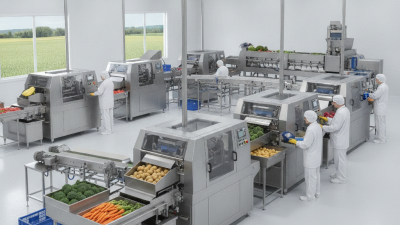
China’s vegetable processing equipment manufacturers are reshaping how fresh produce moves from farms to retail shelves. Their product ranges commonly include washing lines, bubble cleaners, cutters, blanchers, dryers, freezers, and packing systems. A modern line can handle muddy carrots, leafy greens, or uneven potatoes with fewer manual interruptions.

The need is measurable. The FAO’s State of Food and Agriculture 2019 estimated that 14% of global food is lost between harvest and retail. The World Health Organization also estimates that contaminated food causes 600 million illnesses annually. These figures make hygienic design and process control practical necessities, not decorative features. As WHO Director-General Dr Tedros Adhanom Ghebreyesus stated, “Food safety is everyone’s business.” His point applies directly to equipment selection.

This guide examines leading vegetable processing equipment manufacturers through engineering capability, production consistency, certification, customization, and after-sales support. It also considers stainless-steel construction, clean-in-place systems, water reuse, sensor integration, and energy consumption. A polished machine may still disappoint if spare parts arrive slowly. That detail matters.

Manufacturers should also prove performance under real factory conditions. A slicer working in a dry showroom is not enough. Buyers need evidence from wet floors, continuous shifts, variable raw materials, and sanitation routines. Reports from FAO, WHO, and the International Society for Horticultural Science provide useful industry context, but no ranking is perfect. Equipment performance depends on product variety, capacity, labor conditions, and local compliance. This overview therefore compares practical strengths rather than repeating unverified marketing claims.

Top Vegetable Processing Equipment Manufacturers in China?

Vegetable Processing Equipment: Scope and Main Applications

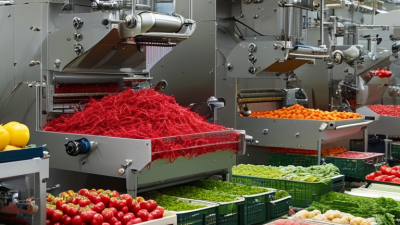
Vegetable processing equipment covers the full path from raw produce to packed food. For buyers comparing vegetable processing equipment manufacturers in China, the scope includes washing, sorting, peeling, cutting, blanching, drying, freezing, and packaging machines. Common systems use food-grade stainless steel, adjustable conveyor speeds, and water circulation controls. A small washer may handle leafy vegetables, while a larger line can process carrots, potatoes, onions, and cabbage continuously.

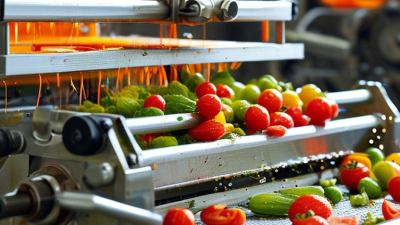
The main applications include fresh-cut salads, frozen vegetables, canned foods, pickles, dehydrated products, and ready-to-cook meals. Washing systems remove soil and surface residue. Cutting machines create slices, cubes, strips, or shreds with controlled thickness. Blanchers help preserve color and texture before freezing or drying. In a practical factory, operators may inspect spinach on a sorting belt, then move it through a washer and centrifugal dryer within minutes. Clean handling matters.

Equipment selection should match crop type, daily capacity, moisture level, and available floor space. Ask manufacturers for test results using your own vegetables. The same cutter may perform well with potatoes but damage soft tomatoes. That detail is easy to overlook. Energy use, water consumption, cleaning access, spare parts, and operator training also affect long-term reliability. A bright stainless-steel line can still waste water. Buyers should review maintenance records, safety documents, hygiene design, and commissioning support before signing a purchase agreement.

Key Equipment Types Used in Vegetable Processing

Top Vegetable Processing Equipment Manufacturers in China?

Key Equipment Types Used in Vegetable Processing

China’s vegetable-processing sector serves fresh-cut, frozen, dried, and ready-to-cook markets. FAOSTAT data show global vegetable production has remained above one billion tonnes annually in recent years. This scale increases pressure on processors to reduce waste and protect quality.

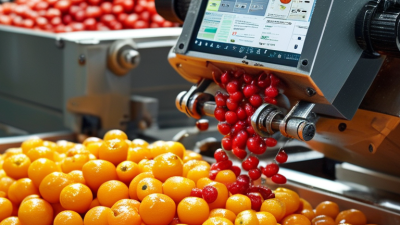
Washing machines remove soil and field residue before inspection. Bubble washers can clean delicate leafy vegetables with less surface damage. Optical or manual sorting systems then remove bruised pieces and foreign material. Peeling and cutting machines improve speed, but blade settings must match vegetable firmness. Blanchers reduce enzyme activity before freezing or drying. Centrifugal dewatering equipment removes surface water after washing. This step matters because excess moisture can weaken packaging and shorten shelf life. FAO’s 2022 food-loss report estimated that 13.2% of food is lost before retail globally. Better handling equipment can address part of this loss, though machines cannot correct poor raw materials.

Tips: Test equipment with real seasonal produce. A cutter that performs well on firm carrots may damage soft tomatoes. Check water reuse, cleaning access, spare parts, and sensor calibration. Full automation sounds efficient, but small plants may gain more from reliable washing and packaging lines. The less glamorous choice may work better. I would also review energy use per tonne, not only purchase price. Industry reports increasingly emphasize traceability and resource efficiency, yet practical factory data can be incomplete. That gap deserves careful verification before investment.

Key Equipment Types Used in Vegetable Processing

Typical operating setpoints for common industrial vegetable-processing equipment. Actual values vary by crop, product format, and production line design.

Temperature values are representative industrial ranges: washing water, blanching, hot-air drying, and mechanical refrigeration or freezing stages.

How to Evaluate Chinese Equipment Manufacturers

Top Vegetable Processing Equipment Manufacturers in China?

Evaluating Chinese equipment manufacturers requires more than comparing quotations. FAO’s 2022 State of Food and Agriculture estimated that 13.2% of food is lost between harvest and retail worldwide. A weak processing line can increase that loss through bruising, uneven cutting, or excessive water use. Ask for measured yield data, not attractive brochures. Request a factory acceptance test using your vegetable variety, moisture level, and target capacity. Watch the welds. Inspect conveyor transfers, blade access, drainage, and electrical cabinets.

Food safety should guide the audit. Confirm stainless-steel grades, hygienic design, cleaning procedures, and documented allergen controls. ISO 22000 certification can support a food-safety system, but it does not prove machine performance. Check the certificate’s scope and validity independently.

The manufacturer should provide manuals, risk assessments, spare-parts lists, and clear response times. A translated document is useful, though sometimes imperfect. Have a technical reviewer compare every specification with the contract.

The best assessment includes a live production visit and customer references from similar vegetables. Measure throughput, product damage, water consumption, noise, and changeover time. PMMI’s 2023 food and beverage packaging research highlights labor shortages and automation as continuing investment drivers. Automation matters, but simple maintenance may matter more in a wet processing room. I would also calculate total ownership cost over five years, including knives, sensors, training, shipping, and downtime. A low initial price can become expensive. That assumption deserves testing.

Leading Chinese Manufacturers and Their Product Strengths

Top Vegetable Processing Equipment Manufacturers in China?

Leading Chinese Manufacturers and Their Product Strengths

China’s leading vegetable processing equipment manufacturers compete through practical engineering, flexible production, and improving quality control. Their product ranges often include washing machines, peeling systems, cutting equipment, blanchers, dryers, and complete processing lines. The strongest manufacturers usually adapt equipment to carrots, potatoes, leafy vegetables, onions, and mixed products.

A reliable supplier should show more than polished factory photos. Buyers should review stainless steel grades, motor protection, water usage, cutting accuracy, and cleaning access. Well-designed machines reduce bruising and maintain consistent slice sizes. Some Chinese manufacturers also provide test runs using the buyer’s actual vegetables. This detail matters because product hardness and moisture can change machine performance.

Documentation is another important strength. Serious manufacturers provide operating manuals, spare-parts lists, electrical diagrams, and inspection records. They should explain production capacity under defined conditions, not vague hourly claims. Factory audits can reveal welding quality, assembly discipline, and inventory control. Small details speak loudly.

The gap is real. Some suppliers still underestimate after-sales training and installation support. Buyers should ask about response times, remote troubleshooting, and replacement-part availability. A machine may look efficient during a demonstration but perform differently after months of dust, water, and daily cleaning. Careful evaluation remains necessary. No line is perfect.

Purchasing, Quality, Certification, and After-Sales Considerations

Selecting vegetable processing equipment manufacturers in China requires more than comparing quotations.

In factory audits, I examine stainless-steel welds, drainage angles, belt tension, and cleaning access. A polished factory video is not evidence. Ask for production records, failure rates, spare-parts lists, and references using similar vegetables. FAO estimated that 14% of global food is lost between harvest and retail, excluding later waste (The State of Food and Agriculture 2019). Reliable washing, sorting, cutting, and cooling equipment can reduce avoidable losses, but only when operators can clean and maintain it correctly.

Quality documents need close checking.

ISO 9001 supports process control, while ISO 22000 addresses food-safety management. Neither certificate proves that every machine is hygienically designed. Request the certificate scope, issuing body, expiry date, and matching factory address. For European shipments, verify applicable machinery, electrical, and material requirements; a CE mark alone is not a complete quality guarantee. Tests should include water pressure, continuous-load operation, emergency stops, noise, and product-contact materials. The details matter.

After-sales support often separates a low-cost purchase from an expensive interruption.

The 2023 PMMI report, Trends in Automation and Digitalization, highlights growing demand for connected equipment and faster technical response in food plants. Require remote diagnostics, bilingual manuals, training videos, and a defined response time. Keep critical belts, sensors, blades, and seals locally or in a documented export warehouse. I would also negotiate acceptance testing before final payment. My caution is simple: promised capacity may change with variety, moisture, and cut size. Request test results using your actual vegetables, not an ideal sample.

Any Questions? We Are Here for You

Contact Us

Contact Us

Request information

Ask us a question
Service Support

Service Support

Available 24 hours a day, 7 days a week.

Get in Touch
Find a representative

Find a representative

Contact your local representative

View Locations