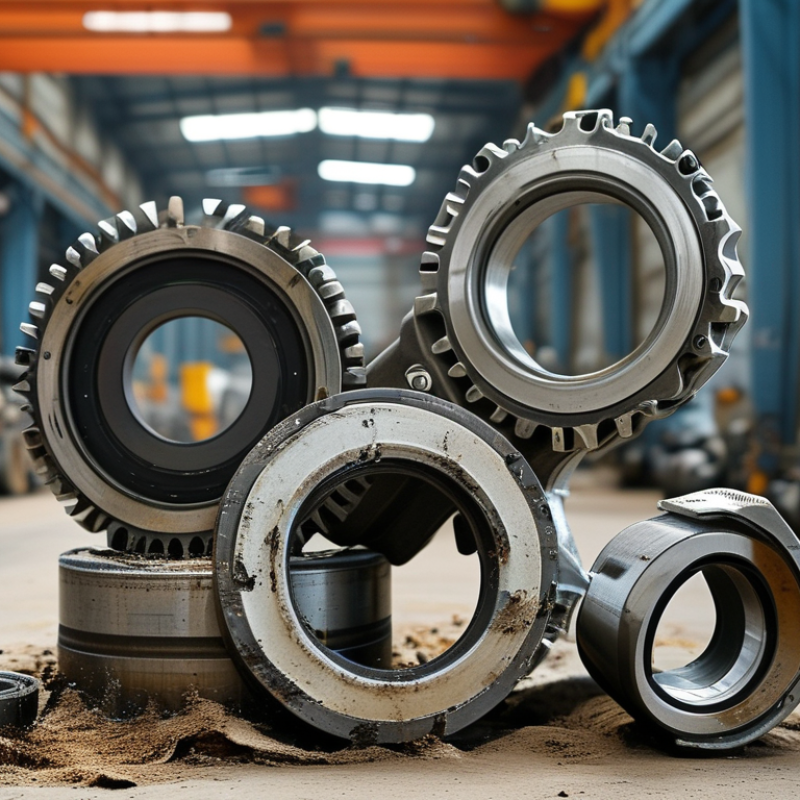
Top Heavy Machinery Spare Parts Suppliers Worldwide
Selecting an international spare parts supplier starts with evidence, not attractive promises. Request traceable part numbers, material certificates, inspection records, and clear warranty terms. Experienced suppliers should explain fitment, operating limits, and expected service life. Ask how they support older machines. Inventory photos can mislead. Verify dimensions against drawings, not memory. A reliable supplier also explains its quality process clearly. This is where many buyers, including me, have been too trusting.
Tips: Compare three quotations, but never compare price alone. Check response times across several time zones. Ask for sample packaging and export documents. Confirm lead times in writing. Use a small trial order before committing to a larger shipment. Speak with recent customers when possible. If technical answers change between emails, pause. That hesitation can prevent expensive downtime.
For global work, communication matters as much as machining accuracy. A capable supplier should provide one technical contact, updated drawings, and practical installation guidance. Clarify payment stages, replacement procedures, and responsibility for damaged goods before purchase. Independent inspection may be worthwhile for critical components. It adds cost, but a failed seal, pump, or undercarriage part can stop an entire worksite. No supplier is perfect, and neither is every buyer’s specification. Recheck measurements, machine model, and working conditions before approval. Good decisions come from documented facts, patient questions, and challenging your first choice.

.svg)