Food Safety Insights

In Eagle’s Advanced Insights Blog, experts share their know-how by keeping you up-to-date with the latest trends to ensure your inspection equipment keeps your products safe. Eagle is an industry leader when it comes to performance and innovation, and we’ll share the news that’s important to you to enhance your quality assurance program.
Suggest topic you would like to see at:

sale@generalmachinery.org

Top 7 X Ray Machines for Food Inspection You Should Consider?

In today's food industry, ensuring safety and quality is paramount. X-ray machines for food inspection play a crucial role in this process. These advanced tools help identify contaminants that may go unnoticed by traditional methods. They provide a quick and reliable solution for food safety.

Choosing the right x-ray machine can be challenging. Different products offer various features tailored to specific inspections. For instance, some machines are designed for bulk food products, while others work best for packaged items. It's essential to understand your unique requirements before investing in this technology.

Some machines may not perform as expected in certain conditions. A machine might miss small contaminants or produce excessive false positives. Companies must be aware of these limitations and continuously evaluate their equipment's effectiveness. Adopting the best x-ray machines for food inspection will enhance product safety and consumer trust.

Top 7 X Ray Machines for Food Inspection You Should Consider?

Overview of X-Ray Technology in Food Inspection

X-ray technology plays a crucial role in food inspection. It is primarily used to detect foreign objects in food products. This technology offers a non-invasive method to analyze packaging without damaging the product. Food safety is a top priority for manufacturers, and X-ray machines provide a reliable solution.

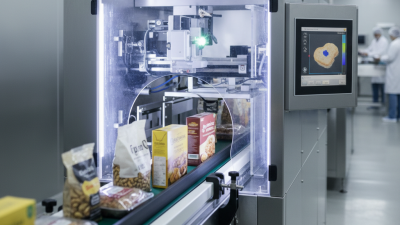
The process involves scanning food items as they move along a conveyor belt. X-rays penetrate the packaging, revealing the internal structure of the product. This allows for the identification of contaminants such as metal strips, glass shards, or stones. These inspections can happen at various points in the production line, ensuring quality control.

However, the accuracy of X-ray inspections can vary. Factors like product composition can impact the results. Overlapping items may lead to false negatives or positives. Regular calibration and maintenance of the machines are essential to mitigate such issues. Continuous staff training is necessary to enhance detection capabilities and ensure consistent performance. Balancing efficiency and thoroughness remains a challenge in the food industry.

Key Features to Consider When Choosing an X-Ray Machine

Choosing the right X-ray machine for food inspection involves several critical features. Ensure the machine offers high-resolution imaging. This provides clear and accurate detection of foreign objects. Look for machines that can identify metals, glass, and plastics accurately. The capability to screen for both organic and inorganic contaminants is essential.

Ease of use is another important aspect. A user-friendly interface reduces the training time for staff. This is vital in busy food processing environments. Consider the size and weight of the machine. It should fit seamlessly into your workflow without causing disruptions. Portability can be a major plus in dynamic settings.

Regular maintenance support is a factor often overlooked. Choose a machine that not only has reliability but also accessible service. Quick response times for repairs can minimize downtime. Equally, seek models with a solid warranty for peace of mind.

Keep in mind that technology evolves. Stay informed about updates in X-ray scanning techniques. What works now may change in the future. Scanning capabilities might need adjustments over time. This reflection can help your selection process. Make sure to adapt as industry standards evolve.

Top 7 Recommended X-Ray Machines for Food Safety

When it comes to food safety, x-ray machines play a crucial role. These devices help detect foreign objects in packaged food. Their efficiency in identifying contaminants ensures that only safe food reaches consumers. For food manufacturers and processors, incorporating advanced x-ray technology can enhance safety protocols.

The top recommended x-ray machines stand out for their reliability and sensitivity. They utilize high-resolution imaging to spot even the smallest foreign bodies. This can include metal, glass, or plastic pieces. Additionally, many machines offer real-time monitoring. This capability allows immediate feedback during the production process. However, choosing the right machine can be challenging. Factors such as cost, maintenance, and user-friendliness require careful consideration.

While many x-ray systems exist, it's essential to reflect on their limitations. Some machines may have difficulty with specific materials. For example, certain types of plastic may be harder to detect than metal. Understanding these shortcomings helps in making informed decisions. By considering performance and reliability, food safety can be significantly improved.

Top 7 X Ray Machines for Food Inspection You Should Consider

Machine Model Detection Capability Throughput Rate Weight Price Range
Model A Metal and Biological Contaminants 500 kg/hr 150 kg $25,000 - $30,000
Model B Glass, Metal, Plastic 600 kg/hr 160 kg $30,000 - $35,000
Model C Metal and Non-metal 450 kg/hr 140 kg $20,000 - $25,000
Model D Dense Foreign Objects 700 kg/hr 180 kg $35,000 - $40,000
Model E Organic and Inorganic Contaminants 500 kg/hr 155 kg $28,000 - $32,000
Model F Large Object Detection 460 kg/hr 170 kg $22,000 - $27,000
Model G Alloy and Composite Objects 550 kg/hr 165 kg $33,000 - $38,000

Comparison of Performance and Cost of Leading X-Ray Models

When selecting an X-ray machine for food inspection, it's essential to compare various models based on performance and cost. A reliable machine should offer high sensitivity to detect contaminants, while also being cost-effective for operations. Analyzing the features and their implications helps inform better decisions.

Some models excel in speed and efficiency, processing products quickly during production. Others may provide superior image quality, enabling detailed inspections. The trade-off often lies in initial investment versus long-term operational costs. A cheaper model might save upfront but could lead to higher maintenance costs later.

Testing different machines before final selection is crucial. Identifying strengths and weaknesses allows businesses to find a balance between technology and budget. Real-world performance can vary, and pilot programs can uncover unforeseen challenges. Adopting the right machine is not just about costs but also ensuring safety and quality in food production.

Comparison of X Ray Machines for Food Inspection

Maintenance and Compliance Considerations for X-Ray Machines

Maintaining X-ray machines for food inspection is crucial for ensuring safety and compliance. Regular maintenance checks can prevent potential failures and ensure proper functioning. A study from the Food and Drug Administration indicates that improper maintenance can lead to a 25% increase in false positives during inspections. This not only impacts food safety but also affects operational efficiency.

Facilities must adhere to strict compliance standards. The U.S. Department of Agriculture reports that 30% of food safety violations stem from equipment non-compliance. Keeping X-ray machines calibrated and serviced can mitigate such risks. Detailed records of maintenance activities are essential. These records help demonstrate compliance during audits and inspections.

Staff training is another critical aspect. Operators should understand how to use X-ray machines correctly. Misinterpretations can lead to unnecessary rejections of safe products. According to a recent survey, facilities with well-trained personnel reported 40% fewer inspection issues. Emphasizing ongoing education will foster a culture of safety and compliance in the food industry.

Any Questions? We Are Here for You

Contact Us

Contact Us

Request information

Ask us a question
Service Support

Service Support

Available 24 hours a day, 7 days a week.

Get in Touch
Find a representative

Find a representative

Contact your local representative

View Locations