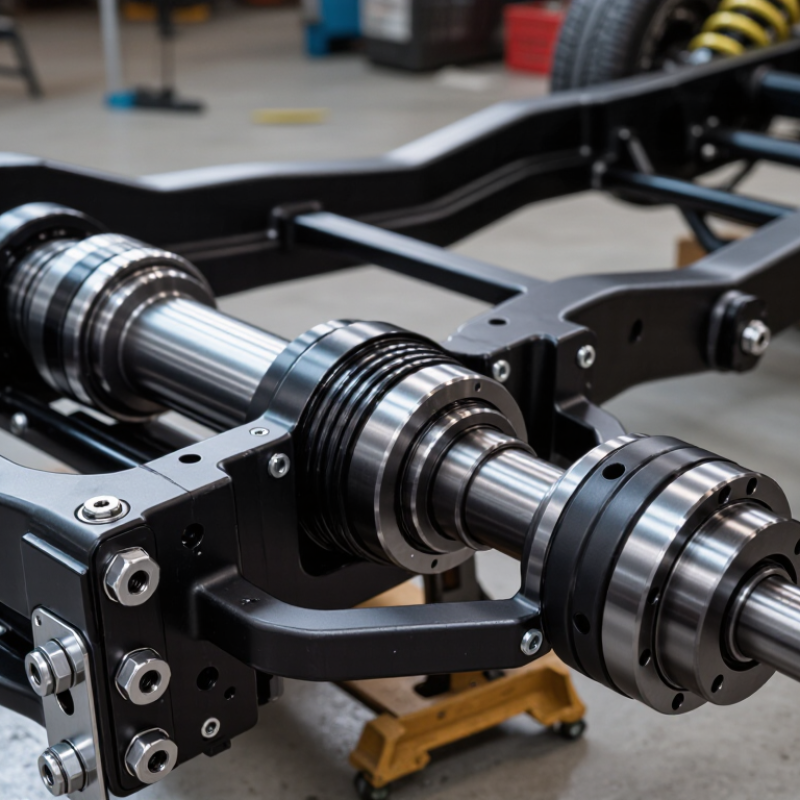
Why Choose a Sliding Drive Shaft for Your Vehicle?
What Factors Should Guide Your Choice?
A sliding drive shaft allows length changes as the suspension moves, helping maintain power transfer through changing angles and distances. The right choice depends on how the vehicle is used, not just its model. A work truck carrying heavy loads may need different capacity from a lightly loaded road vehicle. Consider torque, operating speed, suspension travel, and how often the vehicle encounters rough surfaces.
Fit matters.
Check the shaft’s compressed and extended lengths against the vehicle’s available space. Too little travel can cause binding; too much can reduce spline engagement. Measure carefully, since estimates can be misleading. Also compare joint angles, shaft diameter, material, and balance requirements with the vehicle’s specifications.
Mud, water, and road salt may affect component life, so sealing and corrosion resistance deserve attention. A common mistake is choosing by length alone. Installation alignment and clearance near the exhaust or chassis matter too.
When specifications are unclear, have a qualified technician verify measurements and operating angles before ordering. A small mismatch can create vibration that appears only under load.
The ideal specification is not always the heaviest one; unnecessary mass can add stress elsewhere.

.svg)