In Eagle’s Advanced Insights Blog, experts share their know-how by keeping you up-to-date with the latest trends to ensure your inspection equipment keeps your products safe. Eagle is an industry leader when it comes to performance and innovation, and we’ll share the news that’s important to you to enhance your quality assurance program.
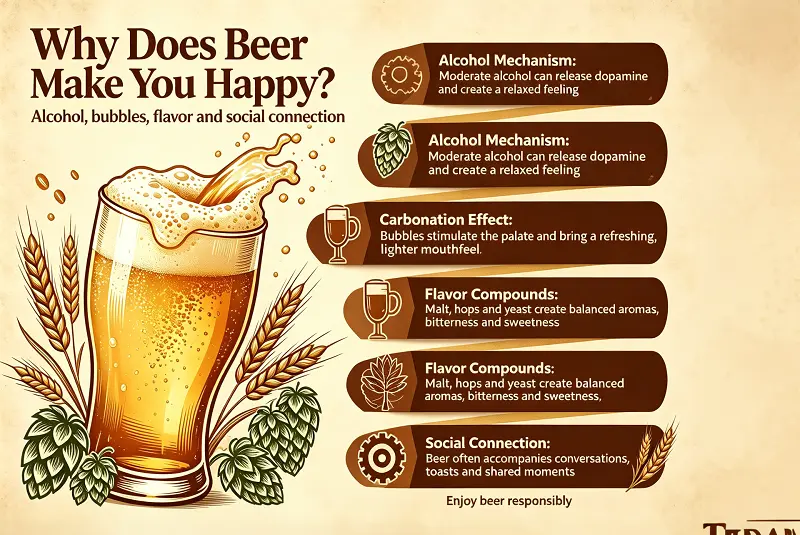
Why Does Beer Make People Feel Good? The Science Behind Alcohol, Carbonation, Flavor, and Social Experience
Why Does Beer Make People Feel Good?
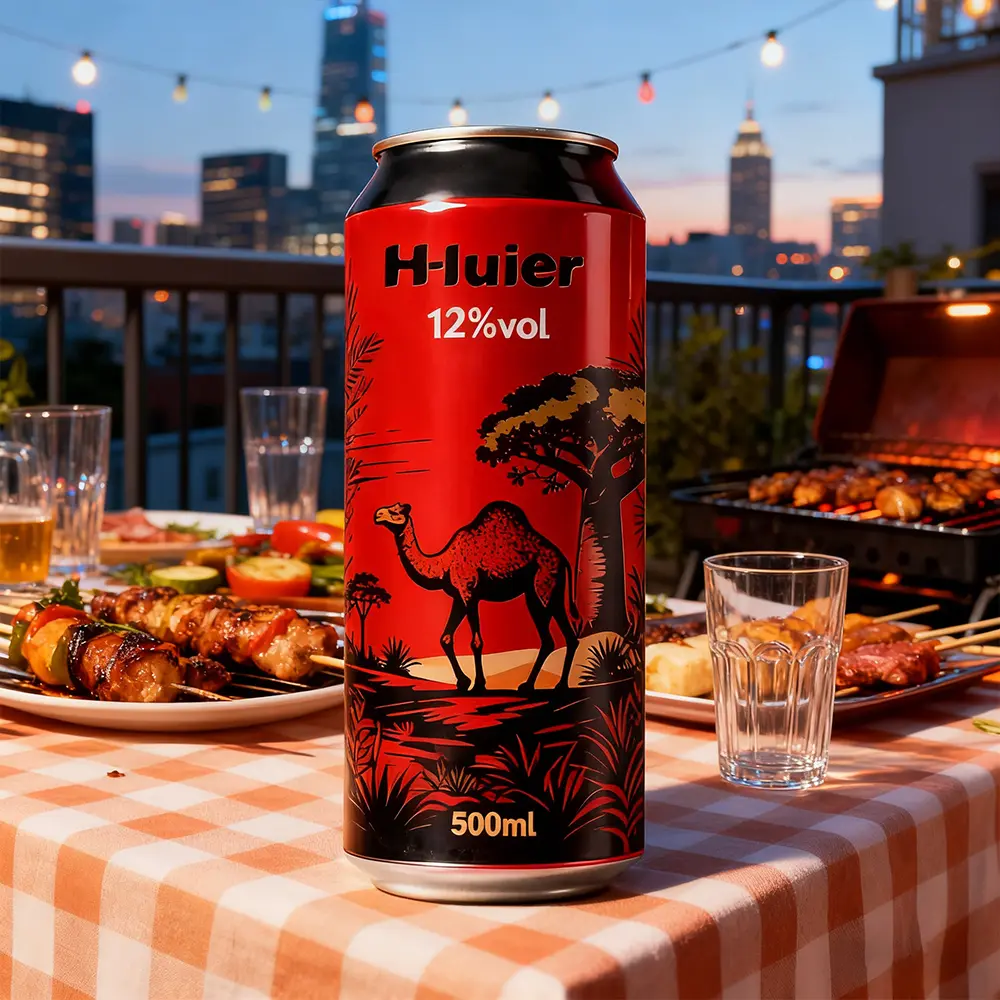
A cold beer after work. A pint shared with friends. A Crisp Lager alongside a barbecue. A Belgian ale slowly enjoyed at the end of dinner.
For many people, beer is associated with relaxation, celebration, conversation, and enjoyment.
But what actually creates that feeling?
Is it the alcohol? The carbonation? The aroma and flavor? Or is it simply the situation in which we drink it?
The answer is more complicated than any one of these explanations.
Beer does not contain a single ingredient that simply “makes people happy.” The drinking experience is produced by the interaction of alcohol, sensory stimulation, individual expectations, and social context.
This distinction matters.
For consumers, it helps explain why the same beer can feel completely different in different situations. For breweries and beverage brands, it also explains why creating a successful beer involves much more than achieving a specific alcohol content.
Flavor, aroma, carbonation, serving temperature, packaging, branding, and drinking occasion all contribute to how consumers experience the product.
In the previous article, we traveled across the World Beer Map, exploring how Germany, Belgium, Britain, the United States, Japan, and China developed distinctive brewing cultures. Now we move from geography into the human side of beer:
Why does drinking beer feel good?
1. Alcohol Changes How the Brain Processes Information
The most obvious factor is alcohol.
Beer typically contains ethanol, the form of alcohol produced when yeast ferments sugars during brewing. Once consumed, ethanol is absorbed into the bloodstream and eventually reaches the brain.
Alcohol affects several neurotransmitter systems. One of the most important is the GABA system, which is associated with inhibitory signaling in the central nervous system.
Alcohol can enhance certain GABA-mediated effects while also affecting other neurotransmitter systems, including glutamate and dopamine pathways.
The result can include:
Reduced inhibition
Increased relaxation
Changes in mood
Reduced perception of stress
Slower reaction time
Impaired judgment and coordination at higher levels of intoxication
At moderate levels, some people may initially experience greater sociability and relaxation. As alcohol concentration in the body increases, however, the effects can shift toward impaired judgment, poor coordination, drowsiness, and other unwanted effects.
So the idea that “alcohol makes people happy” is an oversimplification.
A more accurate explanation is:
Alcohol can temporarily alter brain activity in ways that some people experience as relaxation or increased sociability, but the effect depends on dose, individual physiology, drinking history, expectations, and context.
This is one reason alcohol content matters when breweries develop products.
A beer with 4% ABV does not necessarily produce the same drinking experience as an 8% IPA or a stronger Belgian-style ale, even when the serving size is identical.
For beer manufacturers and beverage brands, ABV is therefore not simply a number printed on a label. It is part of product positioning, sensory design, serving recommendations, and regulatory compliance.
2. Why Does the First Sip Feel So Refreshing?
Alcohol is only part of the experience.
Another important factor is carbonation.
Most beer contains dissolved carbon dioxide (CO₂), which produces the familiar bubbles, foam, and characteristic sensation on the tongue.
When you take a sip, carbon dioxide interacts with the sensory system in your mouth. Some CO₂ is converted into carbonic acid, contributing to the slight acidity and characteristic “bite” associated with carbonated beverages.
The result is a distinctive combination of:
Tingling sensation
Mild acidity
Perceived freshness
Aroma release
A crisp finish
This is particularly noticeable in highly carbonated lagers and Wheat Beers.
Carbonation can also influence how aromas reach the nose. As bubbles rise through the liquid and break at the surface, volatile aroma compounds can be carried into the air above the beer.
That means carbonation is not simply about creating bubbles.
It is part of the sensory architecture of beer.
3. Beer Foam Is More Important Than It Looks
The layer of foam on top of a beer is not merely decoration.
Beer foam is created when carbon dioxide escapes from the liquid and interacts with proteins and other surface-active compounds derived from malt and hops.
A stable foam head can influence:
Aroma perception
Mouthfeel
Visual appearance
Perceived freshness
Drinking experience
The composition and stability of beer foam depend on multiple factors, including malt proteins, hop-derived compounds, carbonation level, serving temperature, glass cleanliness, and pouring technique.
This is why two beers with similar alcohol content can look and feel completely different in the glass.
For a brewery, foam performance can even become part of product identity.
A traditional Wheat Beer may be expected to develop a substantial, persistent head, while a particular lager may be designed around a cleaner and more restrained foam profile.
From a beer packaging perspective, carbonation and foam also matter during filling. Excessive oxygen pickup, improper pressure control, or poor filling conditions can negatively affect beer quality and shelf life.
This is one reason modern beer filling systems are designed to manage pressure, dissolved oxygen, temperature, and product loss carefully.
4. Flavor Is More Than Taste
If you close your eyes while drinking beer, you may notice something surprising.
Much of what you think of as “taste” is actually aroma.
The human tongue detects basic taste sensations such as:
Sweet
Sour
Bitter
Salty
Umami
But the complex character of beer comes largely from volatile compounds detected through the olfactory system.
These compounds can create impressions such as:
Citrus
Tropical fruit
Floral
Herbal
Spicy
Toasted
Caramel
Coffee
Chocolate
Banana
Clove
Where do these aromas come from?
Several sources contribute.
Malt
Malt can contribute biscuit, bread, toast, caramel, coffee, chocolate, and roasted notes depending on the grain and malting process.
Hops
Hops are responsible for much of the distinctive aroma found in modern beer.
Different hop varieties can contribute citrus, floral, herbal, resinous, tropical fruit, or other aromatic characteristics.
Yeast
Yeast is particularly important because fermentation creates a wide range of compounds, including esters, phenols, and higher alcohols.
For example, certain yeast strains can contribute banana-like or clove-like notes, while others produce cleaner fermentation profiles.
This is why two beers brewed with similar ingredients can taste remarkably different.
The recipe is only part of the equation.
5. Why Does One Beer Taste Better Than Another?
Taste is not purely chemical.
It is also psychological.
Imagine drinking the same beer in two completely different situations.
The first is a noisy room after a stressful day.
The second is sitting outdoors with friends on a warm evening, with good food on the table and nowhere else to be.
The liquid has not changed.
The experience has.
Research in sensory science consistently shows that perception is influenced by factors beyond the chemical composition of food and beverages. Expectations, visual cues, environment, memory, branding, and previous experiences can all affect how people perceive flavor.
This is particularly important for beer because beer is often consumed in social environments.
The label, can design, glassware, temperature, music, food, and company can all become part of the experience.
6. The Social Side of Beer
This may be the most important part of the answer.
Beer has been connected to social interaction for thousands of years.
Ancient civilizations brewed beer for religious ceremonies, communal meals, labor systems, and celebrations. Medieval European communities developed brewing traditions around monasteries and local settlements. Modern beer culture continues this tradition through pubs, restaurants, festivals, sporting events, and gatherings at home.
People rarely drink beer in complete isolation from their surroundings.
A beer can become associated with:
Meeting friends
Watching sports
Celebrating a birthday
Sharing a meal
Relaxing after work
Traveling
Attending festivals
Exploring local culture
The beverage becomes part of the memory.
This is why beer brands do not sell only liquid.
They sell a combination of flavor, identity, occasion, and experience.
7. Why Packaging Can Influence the Beer Experience
This is where brewing science meets the beverage business.
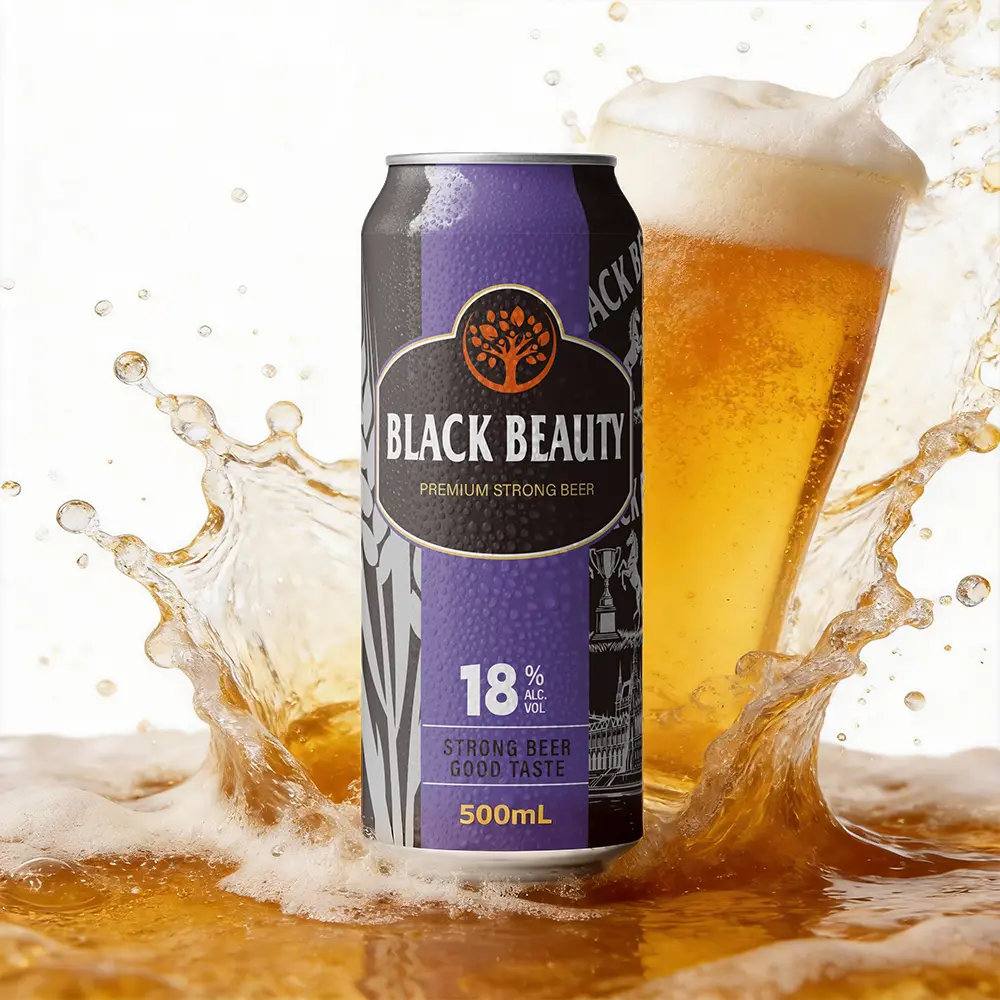
Consider the difference between opening a plain container and opening a beautifully designed can associated with a premium beer brand.
Before the first sip, the consumer has already formed expectations.
Color, typography, graphics, can shape, finish, and even the sound of the package opening can contribute to the perception of the product.
This does not mean packaging can turn poor beer into excellent beer.
It means that packaging is part of the total consumer experience.
For modern beer brands, this is particularly relevant to aluminum cans.
Aluminum cans offer several practical advantages for beer packaging, including:
Excellent light protection
Low weight
Efficient transportation
High recyclability
Large printable surface
Flexible design possibilities
These characteristics make aluminum cans particularly attractive for craft breweries, premium beer brands, private label beer projects, and beverage companies developing new products.
Packaging also has a functional role.
Beer is sensitive to oxygen, light, and temperature. Appropriate packaging and filling practices help protect the beer's sensory qualities throughout its shelf life.
For a beer manufacturer, therefore, packaging is not simply the final step after brewing. It is part of product quality management.
8. Why Temperature Changes the Experience
Temperature can dramatically affect how beer is perceived.
A cold lager can feel exceptionally refreshing on a hot day. A strong Belgian ale may reveal more aroma and flavor when served at a somewhat warmer temperature.
Temperature influences:
Volatile aroma release
Carbonation perception
Bitterness perception
Sweetness perception
Mouthfeel
Overall aroma intensity
There is no single “perfect” temperature for every beer.
A highly aromatic IPA, a crisp Pilsner, a Wheat Beer, and a barrel-aged stout are designed to deliver different sensory experiences.
This is why professional breweries often provide serving recommendations rather than simply telling consumers to drink every beer “ice cold.”
9. Why Beer Can Feel Different After a Long Day
There is another factor that is easy to overlook: expectation.
If someone associates a beer with the end of the workday, their brain may begin to connect the sight, smell, and sound of opening the beer with relaxation.
The anticipation itself can influence perception.
This is similar to what happens with many foods and beverages. A familiar smell can immediately bring back a memory. A particular restaurant can remind someone of a vacation. A song can change how a meal feels.
Beer works in much the same way.
The experience begins before the first sip.
10. What Does This Mean for Beer Brands?
For consumers, the science explains why beer can be enjoyable.
For the beer industry, it reveals something even more useful:
A successful beer product has to work on several levels at once.
The liquid needs to deliver a consistent sensory experience.
The packaging needs to protect that liquid.
The brand needs to communicate what the product represents.
And the product needs to fit naturally into a particular consumption occasion.
This is why modern beer product development often involves much more than recipe formulation.
Breweries and beverage companies may need to consider:
A product designed for convenience stores may require a different format from a premium craft beer intended for restaurants or specialty retailers.
The beer itself is only one part of the commercial equation.
11. The Beer Experience Starts Long Before the First Sip
By now, the answer to our original question should be clearer.
Why does beer make people feel good?
There is no single answer.
Alcohol can influence the brain and may temporarily produce relaxation or increased sociability at lower levels of intoxication.
Carbonation creates a lively physical sensation and helps shape aroma release.
Malt, hops, and yeast generate hundreds of compounds that create beer's distinctive flavor and aroma.
Temperature, glassware, packaging, branding, memories, and social surroundings influence how those sensations are interpreted.
And perhaps most importantly, beer has become deeply connected with human interaction.
That combination is what makes the experience so powerful.
Beer Is an Experience Built from Science
A glass of beer may look simple.
Inside it, however, is an extraordinarily complex system.
Agriculture provides the grains and hops. Malting changes the chemical structure of grain. Brewing extracts sugars. Yeast transforms those sugars through fermentation. Carbon dioxide creates texture and refreshment. Hundreds of flavor compounds shape aroma and taste. Packaging protects the finished product. Distribution brings it to the consumer. And the social environment completes the experience.
This is precisely why the Beer Life Cycle is worth exploring.
In our previous article, we looked at how different countries created their own brewing identities. Now we can see that those regional differences ultimately come back to the same fundamentals: ingredients, fermentation, sensory science, packaging, and people.
And that brings us to the next stage of the journey.
What Is Beer Actually Made Of?
In the next article, we will go back to the beginning of every brew and examine the four fundamental ingredients:
Water. Malt. Hops. Yeast.
We will look at what each ingredient contributes, how brewers select raw materials, and why changing a single ingredient can completely alter the final beer.
Because before a beer can be packaged, shipped, sold, or enjoyed—
someone has to make it.
Frequently Asked Questions
Does alcohol actually make people happy?
Not exactly. Alcohol affects several brain signaling systems and can temporarily reduce inhibition or produce feelings of relaxation in some people. Higher levels of alcohol can instead cause impaired judgment, poor coordination, drowsiness, and other negative effects.
Why does carbonated beer feel refreshing?
Carbonation stimulates sensory receptors in the mouth and contributes to acidity, tingling, and a crisp mouthfeel. Carbon dioxide can also help release volatile aroma compounds, influencing the overall sensory experience.
Why does beer taste different from one brewery to another?
Beer flavor depends on ingredients, yeast strain, water chemistry, brewing process, fermentation conditions, maturation, carbonation, and packaging. Even breweries producing the same general beer style can create very different flavor profiles.
Does packaging affect beer flavor?
Yes. Packaging helps protect beer from oxygen and light, both of which can contribute to quality deterioration. The choice of package, filling process, storage conditions, and distribution environment can therefore affect how beer tastes when it reaches the consumer.
Why are aluminum cans popular for beer?
Aluminum cans are lightweight, recyclable, provide strong protection from light, and offer a large printable surface for branding. These characteristics make them increasingly popular among commercial breweries, craft breweries, and Private Label Beer brands.
Why do people often drink beer socially?
Beer has a long history of being consumed during communal meals, celebrations, festivals, and other social activities. Over time, these cultural associations have made beer closely connected with social interaction and shared experiences.
Any Questions?
We Are Here for You
Contact Us
Request information
Ask us a question
Service Support
Available 24 hours a day, 7 days a week.
Get in Touch
Find a representative
Contact your local representative
View Locations
Login to
Resource Center
If you have previously registered, simply enter your email address below to gain access to your requested content.
Register to
Resource Center
Register with Eagle to gain unlimited access to our Knowledge Center materials. You will only need to complete this form once.
Register with Eagle to gain unlimited access to our Knowledge Center materials. You will only need to complete this form once.
"*" indicates required fields
Sign up for our newsletter
"*" indicates required fields
Manage Cookie Consent
To provide the best experiences, we use technologies like cookies to store and/or access device information. Consenting to these technologies will allow us to process data such as browsing behavior or unique IDs on this site. Not consenting or withdrawing consent, may adversely affect certain features and functions.
Functional
Always active
The technical storage or access is strictly necessary for the legitimate purpose of enabling the use of a specific service explicitly requested by the subscriber or user, or for the sole purpose of carrying out the transmission of a communication over an electronic communications network.
Preferences
The technical storage or access is necessary for the legitimate purpose of storing preferences that are not requested by the subscriber or user.
Statistics
The technical storage or access that is used exclusively for statistical purposes.The technical storage or access that is used exclusively for anonymous statistical purposes. Without a subpoena, voluntary compliance on the part of your Internet Service Provider, or additional records from a third party, information stored or retrieved for this purpose alone cannot usually be used to identify you.
Marketing
The technical storage or access is required to create user profiles to send advertising, or to track the user on a website or across several websites for similar marketing purposes.

.svg)