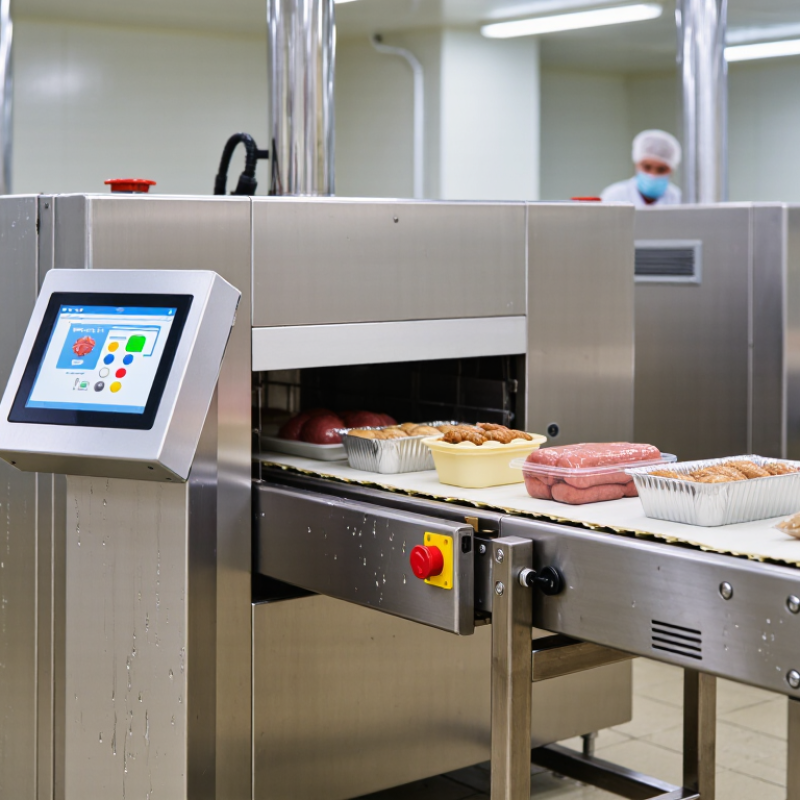
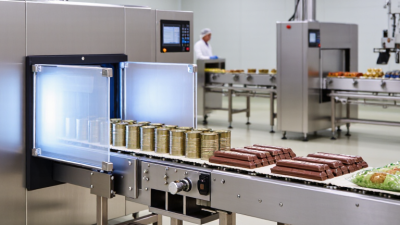
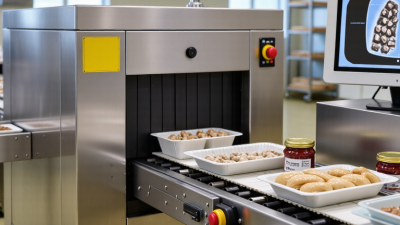
| Small-Pack Horizontal System |
Inspection of individual retail packs on a continuous conveyor |
Pouches, trays, cartons, and flow-wrapped packs |
80–100 kV |
250–400 mm wide × 100–200 mm high |
20–60 m/min |
Ferrous, non-ferrous, stainless steel, glass, stone, calcified bone, and dense plastics |
Approximately 0.8–1.5 mm metal, subject to product and packaging conditions |
Air blast or stop-and-divert |
IP65–IP69K options; stainless-steel product-contact areas |
Check pack orientation, maximum product height, image overlap, and reject confirmation. |
| Multi-Lane Pack System |
High-throughput inspection of multiple products moving side by side |
Snack packs, confectionery, bakery items, and portioned foods |
80–120 kV |
400–800 mm wide × 100–250 mm high |
30–100 m/min |
Metal, glass, mineral fragments, rubber, and high-density foreign material |
Approximately 1.0–2.0 mm metal, depending on lane layout and product density |
Lane-specific air blast or synchronized reject gate |
IP65–IP69K, with washdown-compatible conveyor components |
Confirm lane tracking, minimum product gap, reject timing, and throughput at the heaviest product. |
| Bulk-Flow System |
Inspection of loose products before filling, cooking, or final packaging |
Nuts, grains, pulses, frozen vegetables, fruit pieces, and confectionery |
80–120 kV |
200–600 mm product path width |
1–10 tonnes/hour, depending on material and conveyor design |
Metal, glass, stones, dense rubber, and bone fragments |
Often around 1.5–3.0 mm metal equivalent; validation is essential for irregular product flow |
Air ejection, flap, or diverter chute |
IP65–IP69K; sanitary chute and belt construction recommended |
Evaluate product presentation, material depth, dust control, food-contact materials, and recovery of rejected product. |
| Tall-Pack Vertical System |
Inspection of tall or upright packs that cannot pass through a low horizontal aperture |
Bottles, jars, cans, tall cartons, and rigid containers |
90–140 kV |
200–400 mm wide × 250–500 mm high |
15–50 m/min |
Metal, glass, ceramic, stones, and missing or broken components |
Approximately 1.0–2.5 mm metal, influenced by container geometry and fill level |
Pusher, air blast, or conveyor stop-and-divert |
IP65–IP69K options; sealed enclosure and hygienic conveyor frame |
Review center-of-gravity stability, container spacing, glass-breakage procedures, and guarding access. |
| Jars, Cans, and Rigid-Container System |
Inspection of sealed rigid containers after filling or closing |
Metal cans, glass jars, plastic tubs, and composite containers |
90–160 kV |
300–600 mm wide × 150–350 mm high |
20–80 m/min |
Metal fragments, glass, stones, bone, missing lids, low fill, and product-level abnormalities |
Approximately 1.0–2.5 mm metal; glass sensitivity varies with wall thickness and product composition |
Pusher, reject arm, or container-handling diverter |
IP65–IP69K with robust washdown and glass-management design |
Assess container diameter, seam and lid inspection, product settling, and safe handling of damaged containers. |
| Pumped Product System |
Inspection of liquid, semi-liquid, or viscous food in a pipe or manifold |
Sauces, soups, dairy products, beverages, and prepared fillings |
80–120 kV |
Typical pipe diameter 25–100 mm |
1–10 m³/hour, depending on viscosity and pipe size |
Metal, glass, stone, and other dense particles carried in the product stream |
Approximately 1.0–2.0 mm metal under suitable flow and product-density conditions |
Valve-controlled diversion or hygienic product dump |
Sanitary piping, clean-in-place capability, and hygienic seals are essential |
Verify pressure, temperature, viscosity, pipe material, cleaning regime, and fail-safe valve operation. |
| Frozen-Product System |
Inspection of frozen foods before packaging or dispatch |
Frozen meat, seafood, vegetables, prepared meals, and ice products |
90–140 kV |
300–700 mm wide × 150–300 mm high |
15–60 m/min |
Metal, bone, stone, glass, and dense plastic fragments |
Approximately 1.2–3.0 mm metal, depending on frost, product depth, and packaging |
Air blast, flap, or full-pack reject conveyor |
IP65–IP69K; low-temperature-rated belts and electrical components |
Check condensation control, belt flexibility, freezer-room temperature, frost buildup, and cleaning access. |
| Large-Case System |
Inspection of multipacks, cases, and large packaged food formats |
Bulk cartons, club packs, case-ready meat, and shipping cases |
120–160 kV |
500–1,000 mm wide × 250–500 mm high |
8–30 m/min |
Metal, glass, stone, bone, dense plastic, and packaging-component defects |
Approximately 1.5–3.5 mm metal; performance decreases with greater product thickness |
Heavy-duty pusher, powered diverter, or stop-and-release system |
IP65–IP69K depending on washdown and installation requirements |
Confirm maximum case weight, tunnel dimensions, radiation shielding, reject force, and floor loading. |
| Dual-Energy or Advanced-Image System |
Enhanced discrimination of difficult foreign materials and variable-density products |
Mixed foods, bone-in products, dense multi-component meals, and overlapping packs |
90–160 kV, depending on system architecture |
300–800 mm wide × 150–400 mm high |
15–80 m/min |
Low-density foreign material, bone, glass, stones, metal, and product-shape abnormalities |
Potentially improved material separation; validated results depend strongly on product and image quality |
High-speed air blast, servo gate, or synchronized reject conveyor |
IP65–IP69K options with sealed detector and source assemblies |
Consider software validation, false-reject rate, image-storage requirements, recipe management, and operator training. |

.svg)