Which Fruit Vegetable Processing Machinery Is Best in 2026?
Choosing the best fruit vegetable processing machinery in 2026 starts with the crop, product, and production goal—not a glossy equipment brochure. A tomato line may need gentle washing and pulping, while leafy greens require careful handling to limit bruising. For frozen vegetables, blanching and cooling capacity can matter as much as cutting speed.
The right choice depends on measurable needs: hourly throughput, product dimensions, changeover time, water use, and cleaning access. Ask suppliers to process your actual produce, including uneven pieces and peak-season batches. Watch for jams, damaged skins, and difficult-to-reach residue. Details matter. A machine that performs well during a short demonstration may behave differently across a full shift. Request clear specifications, maintenance schedules, spare-parts information, and references from comparable facilities. Check whether operators can adjust settings without lengthy downtime.
Automation can improve consistency, but it does not replace sound process design or trained staff. Consider the full line, from sorting and washing through cutting, heating, or packaging, rather than judging one machine in isolation. Energy and water consumption should be compared against realistic production conditions. There is no universal winner: the best equipment is the setup that meets product-quality targets, fits the available floor space, and remains serviceable over time. Even experienced buyers can overvalue headline capacity; a modest, reliable line may prove more useful. That deserves a closer look.
What Fruit and Vegetable Processing Machinery Includes
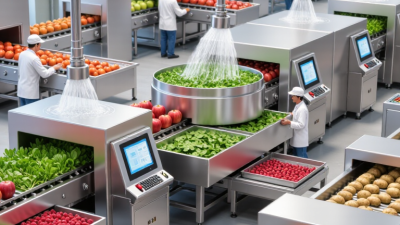
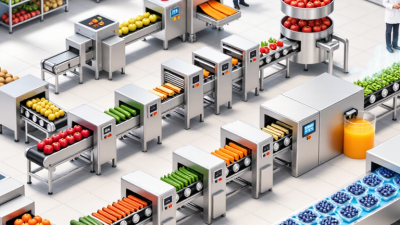
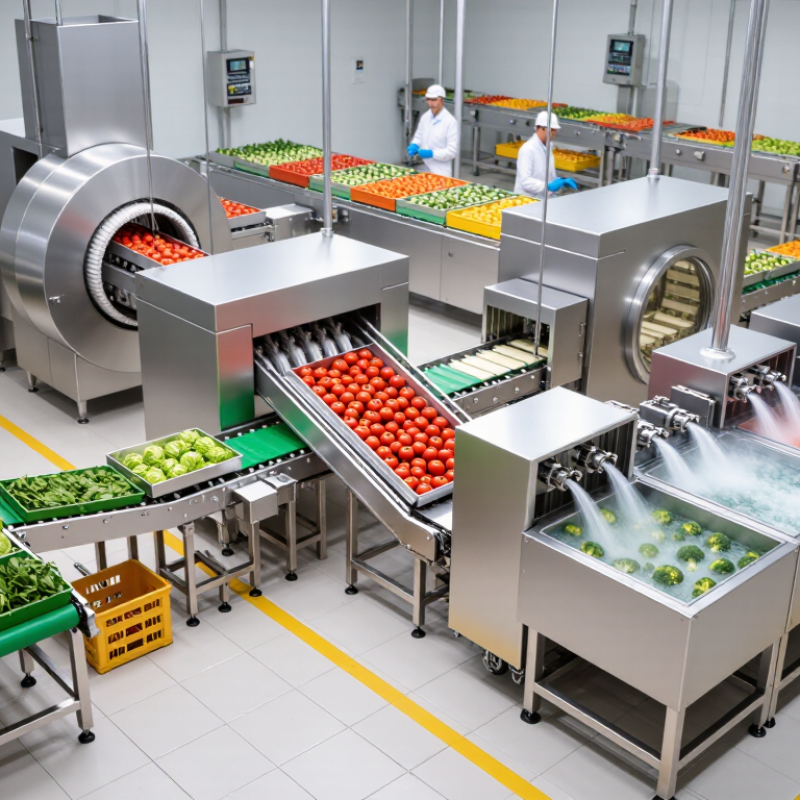
Fruit and vegetable processing machinery covers the equipment that moves produce from field-ready condition to a packaged product. A typical line may include washers, inspection conveyors, graders, peelers, slicers, and pulp extractors. Further along, blanchers, dryers, presses, or pasteurization systems may prepare food for its intended use. Filling and packaging machines handle the final stage. Not every facility needs every machine. A small apple processor may need a washer, cutter, and press, while a frozen vegetable plant may rely on blanching and rapid cooling.
Tips: Match equipment to the crop and product, not just the production target. Check how well a washer handles leafy greens, or whether a slicer leaves uneven pieces. Ask about cleaning access, water use, changeover time, and spare parts. Small details matter.
For 2026, “best” machinery depends on the produce, available floor space, labor, and desired output. Compare machines using realistic test batches, including bruised or irregular pieces. Look for adjustable settings and clear operating instructions. A polished specification sheet can still miss daily frustrations, such as difficult belt removal or excess water on the floor. Record product quality and waste during trials, then weigh those results against operating and maintenance needs.
How Processing Machines Handle Each Production Stage
Which Fruit Vegetable Processing Machinery Is Best in 2026?
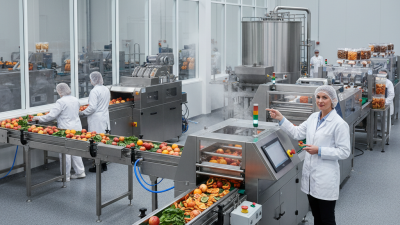
The best machinery depends on the crop, product style, and daily capacity. Processing begins at receiving, where conveyors and inspection tables remove damaged produce. Washers then use controlled sprays or flumes to loosen soil without bruising delicate fruit. Sorting equipment separates produce by size, color, or visible defects. FAO’s 2019 State of Food and Agriculture estimated that 14% of food was lost between harvest and retail. Better handling can help, but machines alone cannot prevent every loss.
Peelers, cutters, crushers, and pulpers prepare produce for its intended product. Juice lines need extraction equipment; diced vegetables need accurate cutting and gentle transfer. Heat treatment may follow, with pasteurizers or blanchers selected for the food and target texture. Filling and sealing equipment then protects the finished product. Clean-in-place systems matter too: residue in a pipe bend can undermine an otherwise efficient line. “Best” is not always fastest. A machine that causes bruising or uneven heating may create more waste downstream.
Tips: Ask suppliers for product-specific trials using your own produce, not just demonstration samples. Check changeover time, water use, cleaning access, and the availability of spare parts. Record yield and product quality across several batches; one successful run proves little.
Which Machine Types Suit Different Fruits and Vegetables
Which Fruit Vegetable Processing Machinery Is Best in 2026?
The best machine depends on a crop’s shape, skin, ripeness, and final product. FAO’s 2019 State of Food and Agriculture estimates that roughly 22% of fruits and vegetables are lost before retail.
Gentle handling and efficient sorting therefore matter from the receiving line onward.
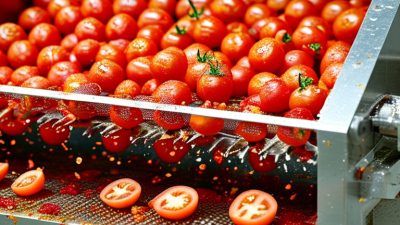
For berries, ripe peaches, and tomatoes, use cushioned conveyors and gentle washing. Optical grading can sort by size and color. Rough tumbling bruises soft produce. Firm apples and root vegetables are better suited to brush washers, peelers, and slicers. Leafy greens need spray or flotation washing, followed by careful dewatering. Citrus lines often combine sizing and juicing; stone fruit needs destoners adjusted to cultivar and pit size.
Fit matters. FAO’s SDG 12.3.1 Food Loss Index recorded 13.2% global food losses in 2021 before retail, but that broad figure cannot predict losses at one plant.
Trial the actual crop at peak ripeness, then check water use, changeover time, and cut consistency. A demo sample may mislead.
How to Compare Machinery for Capacity, Quality, and Cost
Choosing machinery in 2026 means matching throughput to the crop, not chasing brochure capacity. FAO’s 2023 SDG progress report estimates that 13.2% of food was lost between harvest and retail in 2021. This is a broad food-sector figure, not a machine-performance claim. It still explains why gentle handling, sorting accuracy, and quick changeovers matter. Measure saleable output per hour after washing, trimming, and rejects. A two-tonne-per-hour washer may feed a slower cutter. Bottlenecks are real. Request trials with your crop’s size, firmness, and incoming temperature.
Compare quality using bruising, cut consistency, soluble solids, microbial results, and peeling yield. UNEP’s 2024 Food Waste Index estimated 1.05 billion tonnes of food waste in households, food service, and retail during 2022. That is not factory waste, but it highlights the costs of weak handling across supply chains. Calculate installed price, water and energy use, labor, cleaning time, spare parts, and downtime over one season. Compare cost per saleable kilogram, not purchase price alone. Here is the awkward part: crop variation can make trials look better than daily operation. Repeat tests across batches, and record assumptions.
Which Fruit & Vegetable Processing Machinery Is Best in 2026?
Indicative commercial throughput ranges by equipment type
Throughput ranges are indicative planning estimates, not guaranteed specifications; actual capacity varies with crop, product size, and machine configuration. Compare product damage, cut or grade consistency, and usable yield in trials. For cost, assess the full installed and operating cost—including labor, energy, water, maintenance, and expected downtime—not just the purchase price.
Which Processing Machinery Best Fits Your 2026 Needs
Which processing machinery best fits your 2026 needs? Start with the product, not the machine. A leafy-greens line needs gentle washing and dewatering; apples for puree need sorting, washing, and pulping. The FAO’s 2019 report, The State of Food and Agriculture, estimated that 14% of food is lost between post-harvest and retail. Fruits and vegetables are among the groups with the highest losses. That figure is a warning, not a machine specification.
Match equipment to your daily volume, product mix, and available floor space. For mixed produce, adjustable conveyors and sorting systems can handle seasonal changes. For juice or puree, check the pulper’s yield and how easily operators can clean product-contact parts. A fast line may still create bottlenecks at packing. I’ve seen capacity figures look convincing on paper; actual throughput depends on produce size, condition, and operator routines. Ask suppliers for trials using your own raw material.
Tips
Measure peak-season output, not just the yearly average. Check water and energy use, cleaning time, spare-part access, and changeover steps. If possible, watch a full production run. A short demo can miss the awkward bit.

.svg)