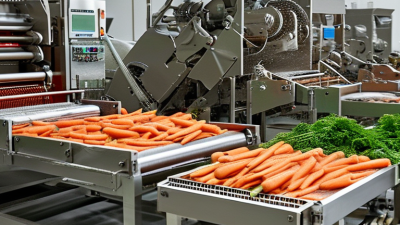
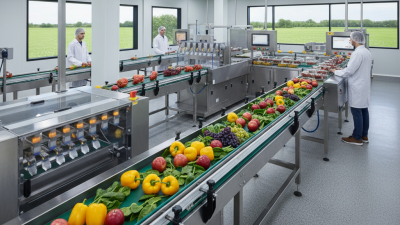
| Receiving, Sorting and Grading |
Receiving hopper, belt conveyor, roller sorter, optical sorter, electronic grader |
Raw-material intake, inspection, size grading and defect removal |
Apples, citrus, potatoes, onions, tomatoes, leafy vegetables and stone fruit |
1–20 t/h |
Adjustable conveyor speed; size, color and defect classification; reduced manual sorting |
Food-contact stainless steel; smooth surfaces; easy access for cleaning |
| Washing and Cleaning |
Bubble washer, drum washer, brush washer, spray washer, air-knife dryer |
Removal of soil, dust, field debris and surface contaminants |
Root vegetables, leafy vegetables, berries, citrus, apples and processed-cut vegetables |
1–15 t/h |
Water turbulence, spray pressure and brush intensity can be adjusted for different crops |
304 stainless steel is commonly used; water tanks require filtration and routine sanitation |
| Peeling, Coring and Trimming |
Abrasive peeler, knife peeler, steam peeler, corer, topping and tailing machine |
Removal of skins, cores, tops, tails and unwanted portions |
Potatoes, carrots, apples, pears, tomatoes, onions and citrus |
0.5–10 t/h |
Machine settings are selected according to crop size, shape, firmness and required yield |
Sanitary stainless-steel contact parts; blades and abrasive components require scheduled replacement |
| Cutting and Slicing |
Dicer, slicer, strip cutter, wedge cutter, shredder and vegetable cutter |
Cutting raw or peeled produce into specified shapes and sizes |
Potato cubes, carrot strips, cabbage shreds, apple slices and mixed vegetables |
0.3–8 t/h |
Interchangeable knives and cutting grids; consistent dimensions support cooking and packaging uniformity |
Food-grade stainless steel; tool-free or low-tool disassembly is preferred for sanitation |
| Blanching and Cooling |
Continuous blancher, hot-water blancher, steam blancher, cooling tank, hydro-cooler |
Enzyme inactivation, color retention, softening and rapid temperature reduction |
Frozen vegetables, canned vegetables, vegetable mixes and some fruit products |
1–12 t/h |
Controlled temperature, residence time and cooling-water flow; heat recovery may reduce energy use |
Stainless-steel construction; hygienic water circulation and effective drainage are essential |
| Juice Extraction and Pulping |
Fruit crusher, pulper, finisher, screw press, belt press and centrifugal extractor |
Crushing, pressing, separation of juice, pulp, seeds and skins |
Apple juice, citrus juice, tomato products, berry puree and tropical fruit puree |
1–15 t/h |
Screen aperture, feed rate and pressure influence yield, texture and suspended solids |
Food-contact stainless steel; closed transfer lines help limit oxidation and contamination |
| Concentration and Evaporation |
Vacuum evaporator, falling-film evaporator, forced-circulation evaporator |
Water removal to increase soluble-solids concentration and reduce bulk volume |
Tomato paste, fruit concentrate, vegetable extracts and puree concentrates |
0.5–20 t/h feed |
Vacuum operation lowers boiling temperature; multi-effect systems improve steam efficiency |
Sanitary stainless-steel product circuits; condensate and cleaning systems must be controlled |
| Drying and Dehydration |
Hot-air dryer, belt dryer, tunnel dryer, vacuum dryer and spray dryer |
Moisture reduction for preservation, storage and ingredient production |
Dried fruits, vegetable flakes, mushroom products, powders and instant ingredients |
50–2,000 kg/h water evaporation |
Air temperature, humidity, airflow and residence time determine final moisture and color |
Insulated stainless-steel chambers; controlled air filtration is important for ready-to-eat products |
| Freezing |
Fluidized-bed freezer, spiral freezer, tunnel freezer, plate freezer and IQF freezer |
Rapid product freezing and preservation of texture, color and nutrients |
Peas, corn, diced vegetables, berries, sliced fruit and mixed frozen products |
0.5–10 t/h |
Fast heat transfer; product size, loading density and air velocity affect freezing time |
Corrosion-resistant food-grade construction; strict cold-chain and defrosting procedures are required |
| Canning and Thermal Processing |
Filler, seamer, retort, continuous sterilizer and cooling system |
Filling, container sealing, commercial sterilization and controlled cooling |
Canned fruit, canned vegetables, tomato products, sauces and fruit preparations |
30–600 containers/min |
Process time, temperature and pressure are recorded to support thermal-process control |
Sanitary product-contact surfaces; container integrity and seam inspection are critical |
| Aseptic Processing and Filling |
UHT or high-temperature short-time unit, sterile tank, aseptic filler |
Commercial sterilization and filling into sterilized packaging under controlled conditions |
Fruit juice, puree, nectar, tomato products and vegetable-based beverages |
1,000–20,000 L/h |
Automated temperature holding, sterile-air management and clean-in-place operation |
High-hygiene design; sterile barriers and validated cleaning and sterilization cycles are required |
| Mixing, Formulation and Homogenization |
Blending tank, agitator, colloid mill, homogenizer and dosing system |
Ingredient blending, texture adjustment, emulsion formation and recipe control |
Juice drinks, sauces, purees, vegetable soups and fruit fillings |
500–10,000 L/batch |
Accurate dosing and controlled shear help maintain consistent viscosity and product uniformity |
316 stainless steel may be selected for acidic or higher-corrosion applications; sealed agitator systems are preferred |
| Packaging and Sealing |
Volumetric filler, weigh filler, pouch machine, tray sealer, vacuum packer and capping machine |
Product filling, air removal, sealing, capping and pack formation |
Fresh-cut vegetables, frozen produce, dried fruit, sauces, juices and purees |
20–300 packs/min |
Pack size and format can be changed through filling and sealing adjustments; checkweighing improves accuracy |
Food-grade contact parts; packaging area should be separated from raw-material handling areas |
| Inspection and Quality Control |
Metal detector, X-ray inspection unit, checkweigher, vision inspection system and temperature recorder |
Detection of foreign material, weight deviations, seal defects and process abnormalities |
Packaged fresh, frozen, canned, dried and liquid fruit and vegetable products |
20–300 packs/min |
Automatic rejection, traceable records and routine verification improve product safety and consistency |
Equipment should be positioned for hygienic access, calibration and documented verification |
| Cleaning-in-Place and Utilities |
CIP skid, hot-water system, chemical dosing unit, air compressor, boiler and wastewater system |
Cleaning, sanitation, heating, compressed-air supply and wastewater handling |
Supports juice, puree, sauce, canning, aseptic and beverage processing lines |
Sized to line demand; commonly 2–20 m³/h per CIP circuit |
Programmable cleaning sequences manage pre-rinse, caustic wash, intermediate rinse, acid wash and final rinse |
Separate clean and dirty drainage routes; chemical concentration, temperature and return flow require monitoring |

.svg)