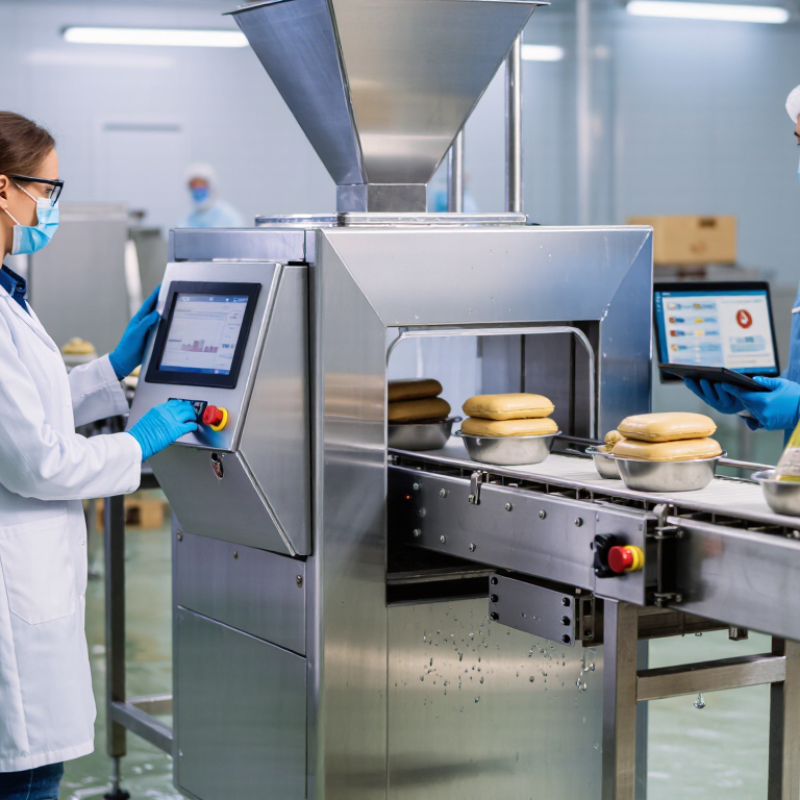
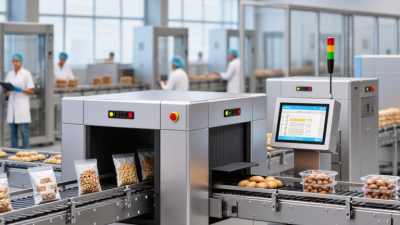
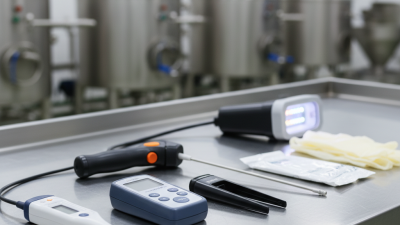
When buying a food inspection machine, safety compliance should lead the discussion, not price.
Ask which standards apply to your destination markets and product category. Request current certificates, test reports, and declarations of conformity. Check certificate numbers, issuing bodies, and expiration dates. A polished document can still hide outdated information. Verify every detail.
Test the machine with your real products.
Use different package sizes, moisture levels, shapes, and production speeds. Confirm detection accuracy for metal, foreign particles, or other targeted hazards. Ask for documented calibration procedures and false-rejection data. Inspect contact materials, sealing points, washdown protection, and hygienic design. Small gaps matter.
Service support deserves equal attention.
Require response-time commitments, remote diagnostics, spare-parts availability, and technician training records. Ask who performs calibration after installation and how quickly replacement sensors can arrive. Review the acceptance test before signing. It should define measurable results, not vague promises. Keep records.
One practical warning: supplier demonstrations often use ideal samples.
Your factory floor will not. Request a witnessed trial with challenging products and normal line conditions. If results are unclear, pause the purchase. A lower-cost machine may become expensive when certification, maintenance, or operator training is missing. Independent inspection can expose these gaps, although it adds time and cost. That trade-off is worth examining.

.svg)