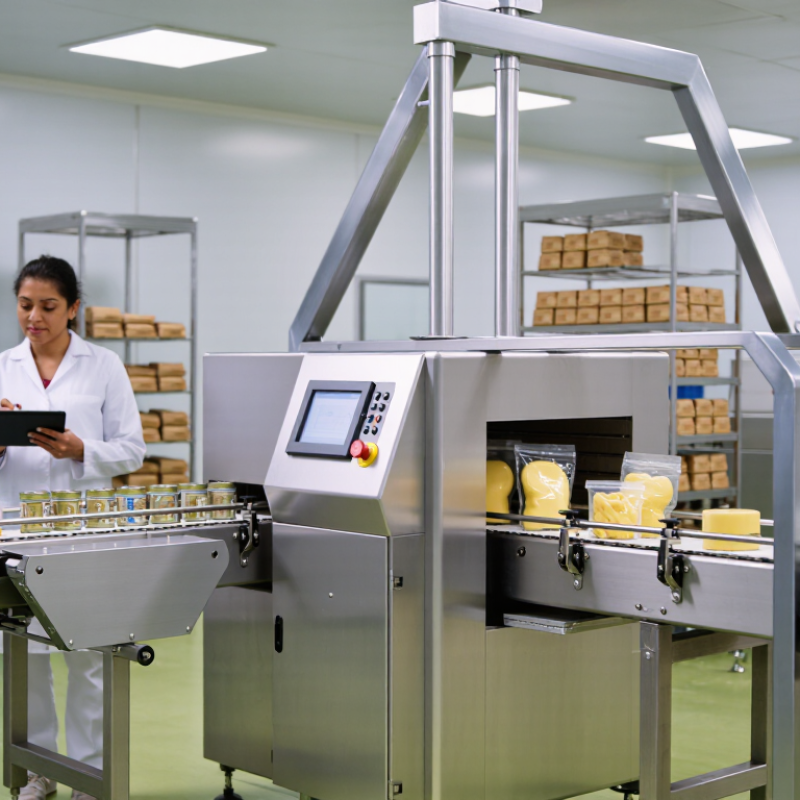
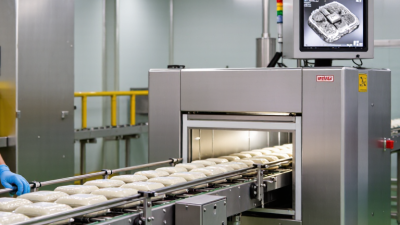
| Metal detector |
Metal contamination, including ferrous and non-ferrous metals; many systems can also detect stainless steel. |
Packaged or unpackaged products on a conveyor, in a pipeline, or in a free-fall application. |
Purpose-built for metal detection; can inspect products at production speed and trigger automatic rejection. |
Product moisture, salt, temperature, and other characteristics can create a “product effect” that affects sensitivity. It does not detect non-metallic contaminants. |
Match the system to the product, packaging, line speed, aperture size, and required detection performance. Test with suitable certified test pieces. |
| X-ray inspection system |
Differences in density that may indicate contaminants such as metal, glass, mineral stone, or some calcified bone fragments. |
Packaged foods, products with foil or metallized packaging, and applications requiring internal product inspection. |
Can inspect through many types of packaging and may also identify missing items, damaged products, or product-shape irregularities. |
Detection depends on contaminant size, density, orientation, product composition, and operating conditions. Low-density materials may be difficult to distinguish from the food. |
Evaluate the actual product and package using representative samples. Consider line layout, shielding, maintenance, and applicable radiation-safety requirements. |
| Vision inspection system |
Visible surface features, such as color, shape, dimensions, presence or absence, label position, and printed-code readability. |
Products where appearance, packaging presentation, label placement, or code verification is important. |
Can inspect multiple visible characteristics without contacting the product and can support consistent, high-speed checks. |
Typically cannot inspect the inside of an opaque product or reliably identify hidden foreign material. Performance can be affected by lighting, reflections, and product variation. |
Define the defects to be checked, camera view, lighting, acceptable tolerances, and how rejected items will be handled. |
| Checkweigher |
Product weight against a configured target or permitted range. |
Individual packaged products moving along a production line. |
Identifies underweight or overweight packs and supports weight-control processes; can automatically reject out-of-range items. |
It does not identify foreign materials, packaging defects, or whether the product is safe. Vibration and poor line setup can affect readings. |
Choose a model suited to pack size, target weight, line speed, required accuracy, and local legal-metrology requirements. |
| Seal and package integrity inspection |
Selected packaging defects, such as incomplete seals, leaks, or loss of package integrity, depending on the test method. |
Sealed packages where leakage or an inadequate closure could affect product protection or shelf life. |
Addresses packaging integrity concerns that contaminant detectors and checkweighers may not identify. |
Test capability varies by package material, format, and method. A test may detect only specific leak sizes or seal defects. |
Select a method validated for the package and product, and establish sampling or in-line testing procedures appropriate to the risk. |
| Optical sorting system |
Visible differences in color, shape, or size; some systems also use other sensing methods to classify product characteristics. |
Bulk, free-flowing products such as grains, nuts, dried foods, and selected fresh produce. |
Can separate visibly defective or discolored items from acceptable product at high throughput. |
Performance depends on the contrast between acceptable and reject material. Similar-looking contaminants or defects may not be separated reliably. |
Test representative product and reject samples, and confirm that the system’s sensing method matches the defects of concern. |

.svg)