Food Safety Insights

In Eagle’s Advanced Insights Blog, experts share their know-how by keeping you up-to-date with the latest trends to ensure your inspection equipment keeps your products safe. Eagle is an industry leader when it comes to performance and innovation, and we’ll share the news that’s important to you to enhance your quality assurance program.

Suggest topic you would like to see at:

sale@generalmachinery.org

China Top 10 Food X Ray Machine Suppliers?

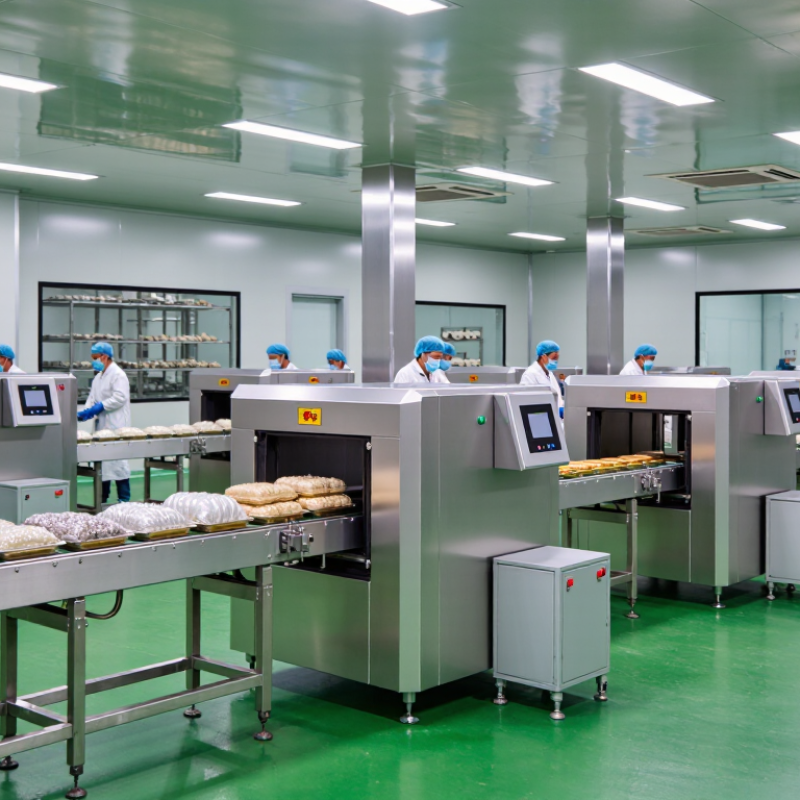
China’s food processing industry is expanding quickly, and inspection requirements are becoming more demanding. A reliable food x ray machine can detect metal, glass, stones, dense bones, and other physical contaminants inside packaged products. It works without opening the package. That matters for factories producing meat, seafood, snacks, dairy products, and ready-to-eat meals.

Frank Yiannas, a respected food safety expert and former FDA Deputy Commissioner, said, “Food safety is not a competitive advantage; it is a prerequisite.” His statement explains why equipment selection should focus on protection, not only purchase price. A strong system should provide stable image quality, accurate rejection, hygienic construction, simple maintenance, and traceable inspection records. Operators also need practical training. Even advanced equipment can underperform when product settings are wrong or testing routines are ignored.

This guide examines the China Top 10 Food X Ray Machine Suppliers and compares their capabilities, applications, service networks, and technical strengths. Some suppliers focus on compact snack lines. Others design high-speed systems for meat, canned goods, or pharmaceutical-style production environments. The differences are important.

A cheaper machine is not always economical. A premium machine is not automatically suitable. Line speed, product density, packaging material, and factory space can change the final decision. This comparison also considers less visible details, such as cleaning access, software clarity, spare-part availability, and response time after installation.

No supplier is perfect. That deserves attention. Buyers should verify claims through factory visits, sample testing, certifications, and real customer references before making a final decision.

China Top 10 Food X Ray Machine Suppliers?

What Are Food X-Ray Machines and How Are They Used?

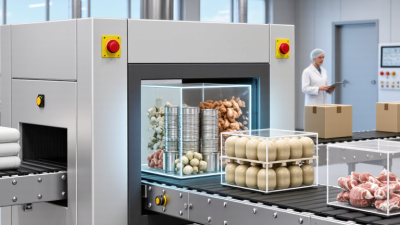
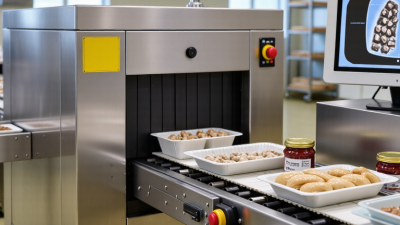
Food X-ray machines inspect packaged products without opening them. They send low-energy X-rays through food and packaging. A detector measures how much radiation each area absorbs. Dense objects appear as contrasts in the final image. The principle is simple.

In food factories, these systems can identify metal, glass, stones, calcified bone, and other dense contaminants. They may also detect missing products, broken pieces, or uneven fill levels. Operators install the machine after sealing or before final packing. A conveyor carries each package through the inspection tunnel. If software finds an unusual image, an automatic reject device removes the package.

Reliable use requires more than installing equipment. Operators should test the system with certified test pieces at regular intervals. They also need records for calibration, cleaning, alarms, and rejected products. Good suppliers provide training, maintenance guidance, and validation support. They should explain detection limits for different package sizes, product temperatures, and packaging materials.

X-rays do not make inspected food radioactive. However, poor setup can create false rejects or miss small contaminants. In practice, no inspection line is perfect. Product density changes can confuse the software. Moisture, overlapping items, and damaged packaging may affect results. Engineers should review images during commissioning and repeat tests after product changes. Data matters. A careful risk assessment remains essential, even when the machine appears highly accurate.

China Top 10 Food X Ray Machine Suppliers? - What Are Food X-Ray Machines and How Are They Used?

No. Anonymous Supplier Profile Typical Machine Format Main Food Applications Recommended Inspection Point Common Contaminants Detected Product Handling Key Selection Factor
01 Profile A — General Conveyor Inspection Horizontal conveyor X-ray system Packaged snacks, bakery products, meat and seafood After final packaging Metal, glass, stone, dense plastic and calcified bone Individual packs on a belt Belt width, product height and reject reliability
02 Profile B — Bulk Product Inspection Bulk-flow X-ray inspection system Grains, nuts, pulses, frozen vegetables and dried foods Before filling or primary packaging Stones, glass, metal and high-density foreign material Loose product falling through a controlled chute Throughput, chute design and product spread
03 Profile C — Pumped Product Inspection Pipeline X-ray inspection system Sauces, soups, dairy products and liquid foods Before aseptic or final filling Metal, glass and dense fragments carried in the flow Product transported through a hygienic pipeline Pipe diameter, hygienic design and cleaning procedure
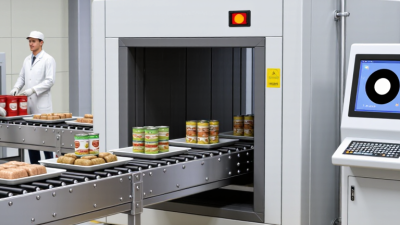
04 Profile D — Canned and Retort Product Inspection Heavy-duty conveyor X-ray system Cans, retort pouches and shelf-stable meals After sealing and thermal processing Glass, stones, metal and missing or damaged product components Rigid or flexible sealed containers Maximum package size, load capacity and washdown resistance
05 Profile E — Glass Jar and Bottle Inspection Multi-angle or dual-beam X-ray system Jams, pickles, sauces, beverages and baby food After filling, capping and labeling Glass shards, stones, metal and dense product defects Glass jars or bottles with varying orientations Container geometry, beam coverage and orientation control
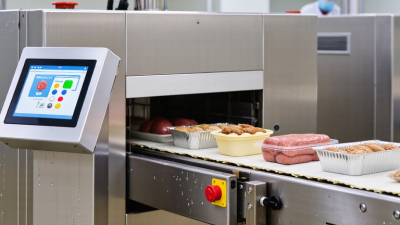
06 Profile F — Meat and Poultry Inspection High-speed conveyor X-ray system Fresh meat, poultry portions, sausages and prepared meals After cutting or final packaging Bone fragments, metal, glass and dense plastic Wrapped trays, vacuum packs or flow-wrapped products Product thickness, belt speed and bone-detection capability
07 Profile G — Bakery and Snack Inspection Low-profile conveyor X-ray system Bread, biscuits, cakes, confectionery and snack packs After wrapping or carton packing Metal, glass, stone and dense rubber or plastic Single packs, multipacks or cartons Small footprint, gentle transfer and high line speed
08 Profile H — Frozen Food Inspection Freezer-compatible conveyor X-ray system Frozen seafood, vegetables, meat and ready meals Before case packing or distribution Stones, metal, glass, bone and dense plastic Frozen packs or loose frozen product Low-temperature operation, condensation control and sanitation
09 Profile I — Checkweigher and X-Ray Combination Integrated X-ray and weight-control line Retail-ready packaged foods and multipacks Final quality-control stage Foreign bodies plus underweight, overweight or missing items Sealed packs traveling in a controlled pitch Line integration, synchronized rejection and data reporting
10 Profile J — Export and Compliance-Focused Inspection Validated conveyor or customized X-ray system Products supplied to international retail and foodservice markets Critical control point defined by the HACCP plan Metal, glass, stone, bone and other high-density foreign material Packaged products with traceable inspection records Validation documents, audit trails, reject verification and service support
What food X-ray machines do: Food X-ray inspection systems create an image from differences in X-ray absorption. They are mainly used to identify dense foreign materials, verify product and package integrity, and support quality-control or HACCP-based inspection points. Actual detection performance depends on product density, package size, line speed, machine configuration and validation testing.
Note: The supplier profiles above are intentionally anonymized. They describe common supplier solution categories and application configurations rather than ranking or claiming performance for any named company or brand.

How to Evaluate Food X-Ray Machine Suppliers in China

China Top 10 Food X-Ray Machine Suppliers?

Choosing among China’s food X-ray machine suppliers requires more than comparing prices. Evaluate their manufacturing experience, inspection records, and technical documentation. A reliable supplier should explain detection limits for bones, glass, stones, and dense plastic. Ask for test results using your actual products, packaging, and production speed. A machine that performs well in a demonstration may behave differently in a busy factory.

Inspect the system’s hygienic design carefully. Look for smooth stainless-steel surfaces, sealed electrical areas, easy belt removal, and safe cleaning access. Discuss calibration procedures, software updates, spare parts, operator training, and response times. The supplier should support compliance with food safety standards applicable to your market. Request references from similar food processors, but verify them independently. One weak point is often overlooked: after-sales service can matter more than a small purchase discount.

Tips: Prepare contaminated sample packs before contacting suppliers. Compare false-rejection rates, not only detection results. Ask who performs installation and validation. Review warranty exclusions in writing. If a supplier avoids practical questions, pause. That hesitation may reveal limited experience. I would also repeat acceptance tests after installation, because factory conditions can expose problems missed during sales demonstrations.

China’s Top 10 Food X-Ray Machine Suppliers

China’s Top 10 Food X-Ray Machine Suppliers

China’s top ten food X-ray machine suppliers are often compared by detection accuracy, manufacturing experience, and after-sales support. A responsible buyer should treat any ranking as a starting point, not absolute proof. Supplier performance can vary by factory, product type, and installation environment.

Experienced suppliers usually provide systems for packaged foods, canned goods, frozen products, and bakery items. During evaluation, inspect image resolution, conveyor stability, rejection response, and software usability. A test sample should include dense products, uneven packages, and products with moisture variation. That matters.

Reliable technical teams explain calibration, hygiene design, maintenance intervals, and operator training in clear language. Ask for documented test results rather than attractive promises. Check whether the machine supports stainless-steel construction, washdown protection, production data records, and traceable service reports. Small gaps matter. A delayed response can interrupt an entire production shift.

The best supplier may not offer the lowest quotation. Total value includes installation quality, spare-part availability, training, and long-term inspection support. Still, no shortlist is perfect. Some suppliers communicate well before payment but respond slowly after delivery. Others provide strong hardware but weak documentation. Visiting a production site, reviewing reference projects, and testing your own products can reveal these differences. A careful comparison should also consider export experience, electrical compatibility, user safety controls, and compliance with the destination market’s food-processing requirements.

China’s Top 10 Food X-Ray Machine Suppliers

Typical contaminant detection benchmarks for food X-ray inspection systems

The chart presents representative detection limits commonly used when evaluating food X-ray inspection equipment. Actual performance depends on product density, package format, line speed, detector resolution, and system configuration. Smaller values indicate finer detection capability.

Key Features and Technologies Offered by Leading Suppliers

China Top 10 Food X-Ray Machine Suppliers: Key Features and Technologies

Leading Chinese food X-ray machine suppliers now focus on detection accuracy, production speed, and hygienic design. WHO estimates that contaminated food causes about 600 million illnesses worldwide each year. This pressure makes reliable inspection more than a purchasing preference. Modern systems detect metal, glass, dense stones, calcified material, and missing products inside sealed packages. Dual-energy imaging can improve contrast when product density varies.

The strongest systems use automatic calibration, multi-level image analysis, and reject verification. Artificial intelligence can support image recognition, but it still needs trained operators and controlled test pieces. That detail is often overlooked. PMMI’s 2023 food packaging technology research highlights traceability, automation, and data integration as important investment priorities. Therefore, suppliers increasingly offer touchscreen records, Ethernet communication, and production-line reporting.

Hygiene matters.

A practical machine should provide stainless-steel construction, sloped surfaces, tool-free access, and high ingress protection for washdown areas. Some designs support IP65 or higher protection, depending on the configuration. Before selection, buyers should test real products at actual line speeds. Factory demonstrations can look perfect, yet irregular packaging, overlapping products, or wet surfaces may reduce sensitivity. Codex HACCP principles also support documented monitoring, corrective actions, and verification. Operators should review false rejects, alarm history, and image quality every shift. No system is flawless. Good suppliers admit that limitation and provide service training, validation support, and clear maintenance records.

How to Choose the Right Chinese Supplier for Your Needs

China Top 10 Food X Ray Machine Suppliers?

Choosing among China’s top ten food X-ray machine suppliers requires more than comparing prices. Start by defining your product, package size, belt speed, and inspection target. A machine for sealed meat trays may need different settings from one handling baked goods. Request test scans using your actual products, including difficult items with foil, moisture, or overlapping pieces.

Check the supplier’s technical depth. Ask for detector resolution, energy range, software functions, rejection accuracy, and stainless-steel protection ratings. Review calibration records, factory quality procedures, and equipment traceability. Reliable suppliers should provide clear manuals, installation plans, operator training, and spare-parts support. Video demonstrations help, but they are not enough. Inspect the production site when possible, or arrange a live remote audit.

Communication matters greatly. Confirm response times, warranty terms, maintenance costs, and software update policies in writing. Ask how quickly engineers can diagnose a false rejection or unstable image. A low quotation may exclude installation or essential accessories. That mistake becomes expensive later. I would also verify whether the machine can meet your local food-safety and electrical requirements before signing a contract. A polished website does not prove consistent manufacturing quality. Supplier evaluation is rarely perfect; small details, such as weak documentation or vague acceptance standards, can reveal larger risks. Test results should be recorded and compared by an independent technical reviewer when possible.

Any Questions? We Are Here for You

Contact Us

Contact Us

Request information

Ask us a question
Service Support

Service Support

Available 24 hours a day, 7 days a week.

Get in Touch
Find a representative

Find a representative

Contact your local representative

View Locations