Top Food Inspection Machines for Food Manufacturers
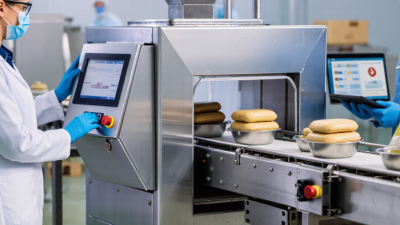
Choosing a food inspection machine is not simply a matter of buying the fastest line equipment. It means matching detection capability to the product, packaging, production speed, and risks your team actually faces. A metal detector may suit one application, while an X-ray system can help identify dense foreign objects inside sealed packs. Vision systems can check labels, seals, and product appearance. The right choice depends on the job. Details matter.
Quality-management expert W. Edwards Deming is often credited with the reminder, “You can’t inspect quality into a product.” That principle is useful here: inspection equipment supports a wider quality program; it cannot replace sound processes, trained operators, or routine verification. Even a capable system can miss problems if settings do not fit the product or checks are neglected. This guide compares leading machine types by detection method, typical use, integration needs, and practical trade-offs. It also considers cleanability, line speed, data handling, and service support—details that can shape daily performance as much as headline specifications. No machine is best for every manufacturer. A careful evaluation should include real product samples and realistic line conditions. The recommendations below are a starting point, not a substitute for a site-specific assessment.
How Food Inspection Machines Protect Product Quality and Safety
Foodborne illness is a measurable public-health burden. WHO’s 2015 global assessment estimated 600 million cases and 420,000 deaths worldwide in 2010. CDC’s 2011 estimates put annual U.S. cases at about 48 million. These figures show why inspection needs to be part of routine production, not a last-minute check.
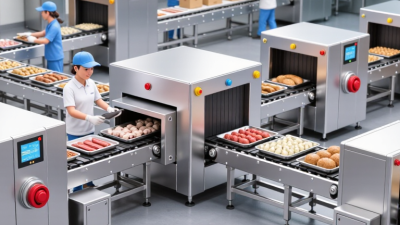
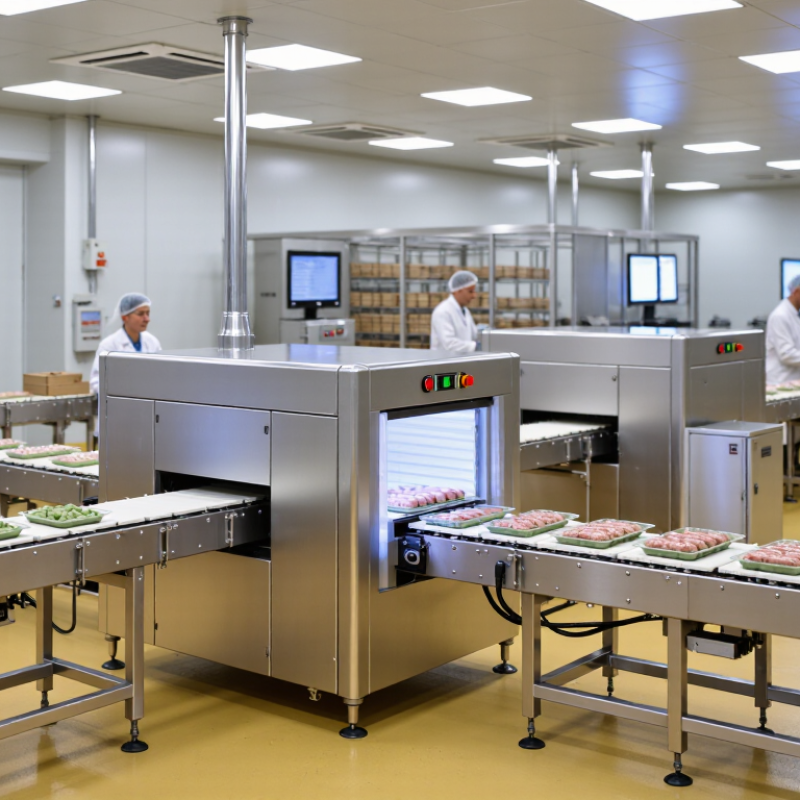
On a moving line, metal detectors can flag certain metal fragments, while X-ray systems can identify dense foreign objects and some packaging defects. Vision systems can check labels, seals, and product appearance; checkweighers can catch packs outside set weight limits. Small details matter. A poorly positioned reject bin or a smudged camera lens can undermine a sound setup. Inspection settings should match the product, packaging, line speed, and likely hazards.
Machines reduce risk, but they do not eliminate it. Detection depends on the material, product texture, and equipment configuration, so manufacturers need regular challenge tests, documented checks, and prompt review of rejected items. False rejects also deserve attention: too many can hide a real process issue in a pile of discarded product. Not a guarantee. Staff training and preventive controls still matter, and inspection results should inform adjustments to the process rather than simply fill a logbook. WHO, Estimates of the Global Burden of Foodborne Diseases, 2015; CDC, Estimates of Foodborne Illness in the United States, 2011.
Main Types of Food Inspection Machines and Their Detection Methods
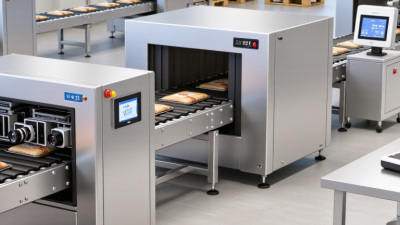
Metal detectors use an electromagnetic field to identify metal fragments in packaged or unpackaged food. Their performance can change with moisture, salt, and product temperature, so settings should be tested with representative samples. X-ray inspection measures differences in density. It can reveal metal, glass, stones, or some bone fragments, but detection depends on the contaminant’s size, position, and the food itself.
Optical inspection systems use cameras and controlled lighting to check visible features, such as bruised produce, damaged surfaces, incorrect labels, or missing items. They work best when products pass consistently through the camera’s field of view. Checkweighers measure each item’s weight and divert packs outside preset limits. They do not identify foreign material, but can flag an underfilled pouch or an unexpectedly heavy package.
No machine sees everything. The right choice depends on the product, packaging, line speed, and likely defect. A practical evaluation uses samples that reflect real production conditions, including difficult products and small defects. Teams should also inspect reject bins and verify that rejected items actually leave the line. A clean test result is reassuring, though it is not proof that every risk has disappeared.
How to Match Inspection Technology to Food Products and Packaging
Top Food Inspection Machines for Food Manufacturers
How to Match Inspection Technology to Food Products and Packaging
Choosing inspection equipment starts with the product and its package, not a machine catalogue. A dry cereal pouch behaves differently from a chilled cheese block. Product moisture, density, temperature, and line speed can all affect detection. Small details matter.
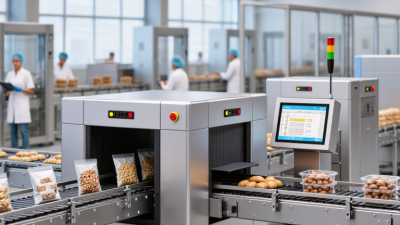
Metal detectors are often suitable for products in plastic or paper packaging. However, salty or wet foods may create signal variation, so testing with the actual product is essential. Foil packaging can complicate metal detection. X-ray systems may be worth evaluating, especially when the product and package create enough contrast for reliable inspection. They can also help identify dense foreign material, but they are not magic. Checkweighers verify pack weight, while vision systems can inspect labels, seals, and date codes.
Packaging changes the decision. A rigid tray, flexible pouch, and glass jar each present different handling and inspection challenges. Run representative samples through the proposed setup, including different pack sizes and normal product variation. Record detection performance, false rejects, and line speed. One assumption worth questioning is that the most advanced system is always the best fit. It may add complexity without improving the checks a particular line needs. Leave room for routine verification and operator training. Even a well-chosen machine needs both.
Key Factors for Selecting a Food Inspection System
A food inspection system should match the product, package, and production line—not just a catalogue specification. Record product temperature, moisture, density, and packaging material, then test representative samples at normal line speed. Small changes can affect detection. That matters.
WHO estimates that 600 million people worldwide become ill from contaminated food each year, with 420,000 deaths (WHO, Estimates of the Global Burden of Foodborne Diseases, 2015). This scale makes dependable checks important, but no machine replaces sanitation or process controls. Select detection technology around the hazards identified in your own risk assessment. Test realistic samples, including difficult product areas and different package formats.
Capacity and upkeep matter too. Check the required line speed, available floor space, cleaning routine, and integration with existing conveyors. Ask how rejects are confirmed and recorded, and whether operators can review alarms without stopping production unnecessarily. FAO reported that 14% of food was lost between harvest and retail in 2019; reducing avoidable product rejection is one practical consideration, though inspection equipment alone cannot prevent that loss. Budget for calibration, training, and service—not only purchase. A test in ideal conditions can flatter a machine. Run trials on your actual line, and revisit the results when products change.
Installation, Calibration, and Maintenance of Inspection Equipment
Top Food Inspection Machines for Food Manufacturers
Installation, Calibration, and Maintenance of Inspection Equipment
Inspection equipment performs best when its installation matches the real production line. Set the machine on a stable, level surface, away from unnecessary vibration and heat. Leave enough space for cleaning, service access, and safe product handling. Align conveyors carefully; even a small gap can disturb product spacing or trigger inconsistent readings. Check that electrical connections and environmental conditions meet the equipment specifications. A tidy setup helps, but it does not guarantee reliable results.
Calibration should use suitable reference samples and the procedure specified for the equipment. Test each product format, including the smallest or most difficult item to inspect. Record results, settings, and any adjustments so shifts can repeat the checks. Then challenge the reject mechanism and confirm rejected items reach the intended collection point. Calibration can drift after a changeover, repair, or impact. That detail is easy to overlook.
Tips: Schedule routine checks at a consistent time. Clean sensors and inspection windows with approved materials. Inspect belts, guards, cables, and reject devices for wear or damage. Keep a simple maintenance log with dates and findings. If readings seem inconsistent, pause and investigate instead of repeatedly changing settings. A rushed adjustment may hide the real cause.

.svg)