Food Safety Insights

In Eagle’s Advanced Insights Blog, experts share their know-how by keeping you up-to-date with the latest trends to ensure your inspection equipment keeps your products safe. Eagle is an industry leader when it comes to performance and innovation, and we’ll share the news that’s important to you to enhance your quality assurance program.

Suggest topic you would like to see at:

sale@generalmachinery.org

Best X Ray Machine for Food Industry in China?

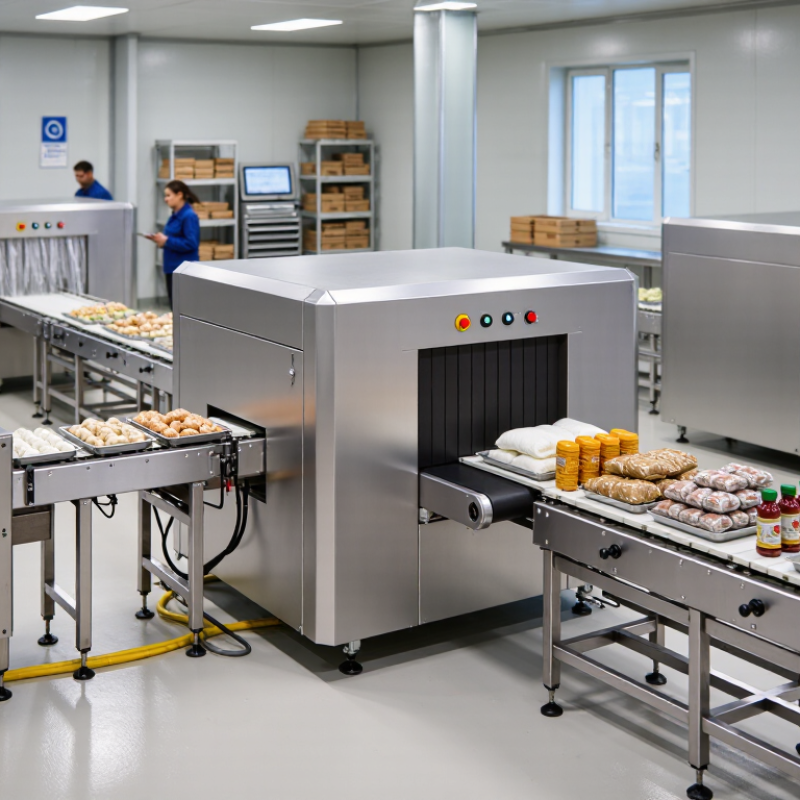
Choosing the best x ray machine for food industry operations in China starts with the product, not the brochure. A machine inspecting frozen dumplings faces different challenges from one checking bottled sauces or snack bags. Package shape, product density, line speed, and the likely contaminant all affect inspection results. Small details matter. A crowded conveyor or uneven product flow can make a capable system harder to use consistently.

This guide looks at practical criteria for comparing equipment, including detection performance, reject mechanisms, operator controls, cleaning access, and after-sales support. Ask suppliers to test representative products at realistic speeds, using the actual packaging where possible. Review test records and discuss how the system handles false rejects, recipe changes, and routine verification. No model wins everywhere. A lower purchase price may not reflect installation, training, maintenance, or downtime costs. Likewise, a polished demonstration is not proof of dependable performance on your own line.

X-ray inspection can help identify certain foreign materials and product defects, but it is not a substitute for a complete food-safety program. Results depend on the product, setup, and inspection conditions. Be cautious of promises that sound absolute. I would also compare service response times and spare-parts availability, since these details are easy to overlook until a line stops. The most suitable choice is the machine that performs reliably on your products, fits your production process, and comes with support your team can verify.

Best X Ray Machine for Food Industry in China?

What X-Ray Inspection Machines Do in Food Processing

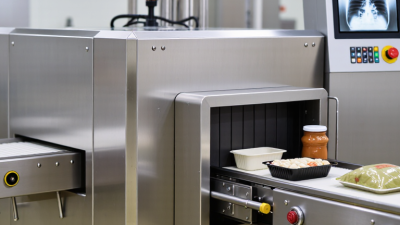
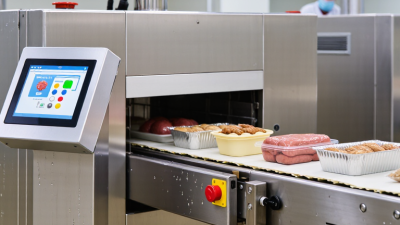
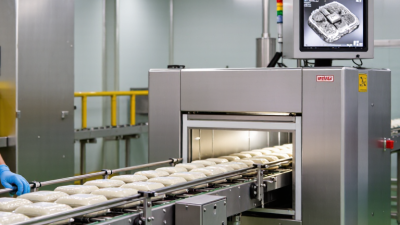
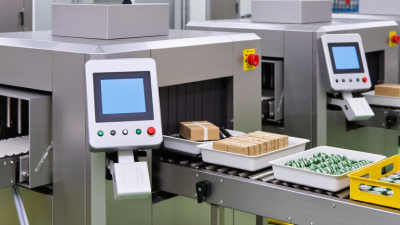
In food processing, an X-ray inspection machine examines products as they pass through the production line. The system creates images from differences in how materials absorb X-rays. Dense contaminants, such as metal, glass, stones, or some bone fragments, may appear as contrasting areas. The machine can inspect sealed packs, cans, trays, and cartons without opening them. It does not sterilize food.

Depending on the equipment and software, inspection can also flag missing items, broken pieces, or unusual product shapes. For example, a line operator might review an image showing a biscuit missing from a tray or a dark fragment inside a sealed pouch. Results depend on the product, packaging, contaminant size, and line speed.

There is no perfect setting. A recipe that works for dry snacks may not suit wet foods or products with bones. Teams should test representative products, check reject timing, and review images during setup. It is easy to overestimate what one image can tell you. X-ray inspection supports quality control, but it cannot replace careful process checks or well-trained operators.

How Food X-Ray Systems Detect Foreign Objects

Best X Ray Machine for Food Industry in China?

How Food X-Ray Systems Detect Foreign Objects

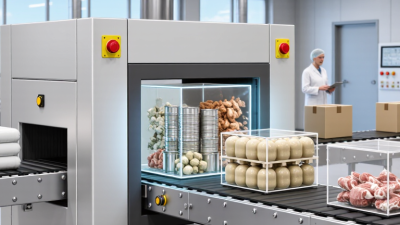
Food X-ray systems inspect products as they move along a conveyor. An X-ray source sends energy through each pack to a detector. Dense objects, such as metal fragments, glass, or mineral stones, absorb more energy and appear as contrasting areas in the image. Software flags suspected contamination, and a reject mechanism removes the affected pack. Small details matter: a wet, uneven product or overlapping pieces can make interpretation harder.

The WHO’s 2015 Estimates of the Global Burden of Foodborne Diseases estimated that 600 million people—almost one in ten worldwide—fall ill after eating contaminated food each year. That figure covers foodborne hazards broadly, not foreign-object incidents, but it shows why reliable inspection matters.

X-rays are useful for finding many dense physical contaminants, yet they do not detect every hazard, including microbes. Detection also depends on the product, packaging, contaminant size, and line speed; there is no single sensitivity figure that fits every factory. Teams should challenge-test systems with suitable test pieces and review rejects regularly.

Easy to overlook. A test that works on a plain pouch may fail with a thick, crowded product. Even careful settings need review.

Where X-Ray Inspection Is Used Across China’s Food Industry

Where X-Ray Inspection Is Used Across China’s Food Industry

Across China’s food industry, X-ray inspection is used at several points on production lines, not only before shipping. Meat and poultry plants can inspect sealed trays for dense foreign objects and missing product. Seafood processors use it on frozen blocks and packed fillets, where ice and irregular shapes make inspection less straightforward. Product-specific testing matters.

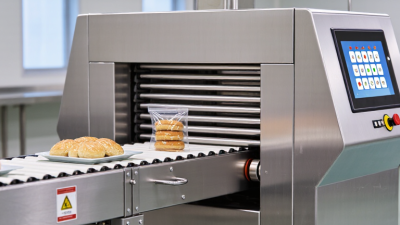
Bakeries may check wrapped loaves, snack bars, and biscuit cartons for contaminants or missing items. Dairy facilities inspect cartons, cups, and foil packs; some systems can also check fill levels or package completeness. Fruit, vegetable, and ready-meal producers often inspect after sealing, when mixed ingredients can hide defects from visual checks. Small details matter. Line speed, product size, and packaging all affect the setup. A trial with real products is more useful than relying on a general performance claim.

Tips: Test representative products and packaging before choosing equipment. Confirm inspection results at normal line speed, and plan routine checks. One setup rarely suits every product; that is easy to underestimate.

Best X Ray Machine for Food Industry in China? - Where X-Ray Inspection Is Used Across China’s Food Industry

Food Industry Segment Common Products Typical Inspection Point What X-Ray Inspection Can Help Detect Other Typical Quality Checks Selection Considerations
Meat and poultry processing Fresh or frozen meat, poultry portions, sausages, and cooked meat products After cutting or forming, and before or after final packaging Dense foreign bodies such as metal, glass, and some mineral fragments; bone fragments may also be detectable depending on product and system settings Product presence, count, shape, and package integrity Consider product thickness, temperature, bone content, line speed, and the required detection sensitivity.
Seafood processing Fish fillets, shrimp, shellfish products, and frozen seafood blocks After filleting or portioning, before freezing, or on the packed-product line Dense contaminants including metal, glass, and some stones; bones may be detected in suitable products and configurations Portion size, product count, and missing-product checks Account for product shape, moisture, frozen or chilled conditions, and overlapping pieces.
Bakery and confectionery Bread, biscuits, cakes, chocolate, and confectionery packs After baking or forming, and during final packaged-product inspection Dense contaminants such as metal, glass, and stones Missing items, product count, and some dimensional or fill-level checks Evaluate product density, belt loading, packaging material, and the desired inspection speed.
Fresh and processed produce Vegetables, fruit, dried produce, and prepared produce packs After washing, cutting, sorting, or packing Dense foreign bodies such as metal, glass, and stones Product presence, count, and package completeness Wet, irregular, or overlapping products can affect inspection results; product presentation matters.
Dairy products Cheese, butter, processed cheese, and sealed dairy packs After forming or filling, typically before dispatch Dense contaminants such as metal, glass, and stones Product presence, count, and package integrity Consider product density, pack format, and whether the line handles individual packs or bulk product.
Ready meals and prepared foods Packaged meals, soups, sauces, dumplings, and chilled or frozen dishes After filling and sealing, or at the end of the packaging line Dense contaminants including metal, glass, and stones; detection depends on the product and package configuration Missing components, product count, and package integrity Assess tray or pouch dimensions, product layering, temperature, and the inspection position on the line.
Rice, grains, nuts, and pulses Rice, flour, beans, seeds, nuts, and dried grain products After cleaning or processing, before bulk packing, or on packaged product Dense contaminants such as metal, glass, and stones Product presence and package completeness For free-flowing products, consider the feed system, product depth, and stable presentation through the inspection area.
Pet food and animal-feed products Dry kibble, treats, canned pet food, and packaged feed After forming, filling, or packaging Dense foreign bodies such as metal, glass, and stones Product count, missing items, and package checks Choose a configuration suited to the product format, pack size, and production-line throughput.

Important: X-ray inspection works by identifying differences in density. Its effectiveness depends on the contaminant, product, packaging, and system setup. Low-density materials such as many plastics, paper, wood, and hair may not be reliably detected. Validate performance using representative product samples and the contaminants relevant to the process.

Key Factors for Selecting a Food X-Ray Machine

A food X-ray machine should be selected for the product, package, and production line—not just its advertised sensitivity. A frozen block, a sauce pouch, and a biscuit tray create different inspection conditions. Product density, moisture, temperature, and packaging thickness can all affect image contrast. Define the contaminants you need to detect, then ask for trials using representative products and test pieces. Include crowded packs and the smallest items. Keep the test results for future checks. Small details matter. A clean demonstration is reassuring, but it is not enough.

Line speed and aperture size matter too. The system must inspect products without causing bottlenecks or damaging delicate packs. Check that the reject device removes only flagged items, and test it at normal operating speed. In China, factories may handle several formats across long shifts, so changeover time deserves attention. Ask how operators clean the belt, curtains, and reject area. Confirm training, calibration support, spare-parts availability, and response times. Inspection records should be easy for the quality team to retrieve. A technically capable machine may still be a poor fit if maintenance is difficult or false rejects disrupt production. Trial runs often reveal compromises that a brochure misses.

Safety, Standards, and Production-Line Integration in China

Best X Ray Machine for Food Industry in China?

Safety, Standards, and Production-Line Integration in China

Choosing an X-ray inspection system in China means checking more than detection sensitivity. The equipment must fit the product, packaging, line speed, and factory hygiene controls.

WHO’s 2015 global estimates reported about 600 million foodborne illnesses each year, underscoring the value of robust prevention systems. X-ray inspection can help detect physical contaminants, but it does not replace supplier controls, sanitation, or HACCP procedures. Codex CXC 1-1969 and ISO 22000:2018 provide useful frameworks for managing food-safety risks.

Before purchase, confirm which current Chinese GB standards and radiation-safety requirements apply to the product and installation. Ask for documented radiation-leakage testing, operator training, and maintenance procedures. Then test representative products at actual production speeds, including sealed packs and unevenly shaped items.

A reject mechanism must remove suspect products reliably without disrupting the line. Integration needs attention: a technically capable unit can still create bottlenecks if conveyors, washdown routines, or traceability records do not match. A neat specification sheet is not proof of a reliable line.

Tips: Run routine challenge tests using appropriate test pieces, and record results by shift. Check reject-bin access and alarm visibility from the operator’s station. Small gaps matter. Reassess settings whenever recipes, packaging, or line speed changes.

Any Questions? We Are Here for You

Contact Us

Contact Us

Request information

Ask us a question
Service Support

Service Support

Available 24 hours a day, 7 days a week.

Get in Touch
Find a representative

Find a representative

Contact your local representative

View Locations